Can a Tooth Have Both Root and Gum Infections? Understanding Endo-Perio Lesions
A tooth can sometimes develop problems deep inside its root as well as in the surrounding
gums and supporting bone. When these two conditions affect the same tooth, the problem is known
as an Endodontic-Periodontal Lesion, commonly called an Endo-Perio Lesion.
This condition can be challenging because an infection inside the tooth and an infection
around the gums may produce similar symptoms. In some cases, both problems may occur together,
making accurate diagnosis especially important.
The good news is that losing the tooth is not always necessary. With the right diagnosis, an
appropriately planned combination of root canal treatment and gum treatment may help preserve
the natural tooth.
At ATS Dental Clinic, Thoraipakkam, Chennai, understanding the source of the infection is an
important first step towards choosing the right dental treatment.
What Is an Endo-Perio Lesion?
To understand an endo-perio lesion, it helps to know the difference between two important
parts of a tooth.
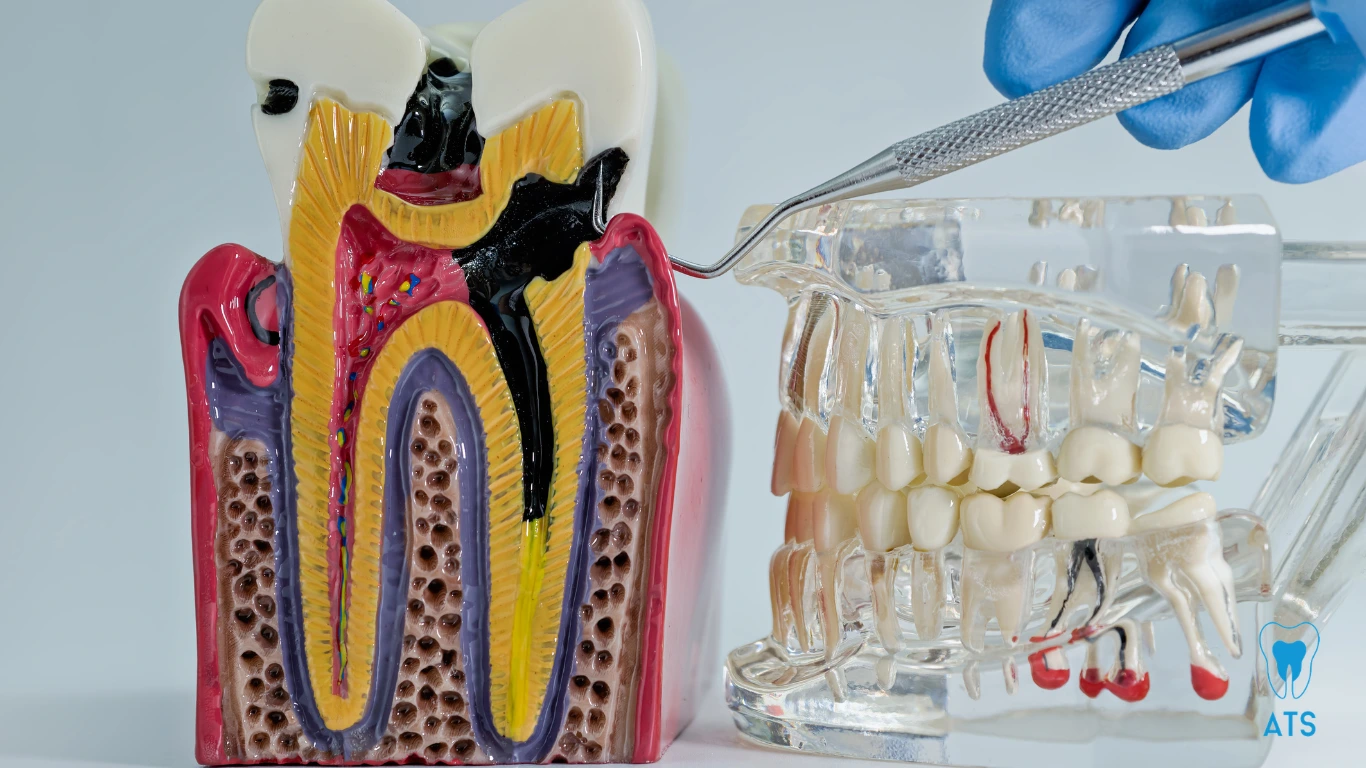
• Endodontic (root canal) problem: The dental pulp, which contains nerves and blood vessels
inside the tooth, becomes inflamed or infected. This may happen because of deep tooth
decay, trauma, cracks or other damage.
• Periodontal (gum) problem: The gums and supporting structures around the tooth become
infected or damaged, commonly due to plaque and bacterial deposits. If the condition
progresses, it can cause gum pocket formation and loss of supporting bone.
The inside of the tooth and its surrounding tissues are connected through tiny natural
openings and channels in the root. These pathways can allow bacteria and inflammatory substances
to move between the two areas.
When the infection involves both the root canal system and the periodontal tissues, it may
be diagnosed as an endodontic-periodontal lesion.
What Causes Endo-Perio Lesions?
There is no single cause for every endo-perio lesion. The condition may develop in several
ways.
1. Infection Starting Inside the Tooth
Deep untreated tooth decay, dental trauma or a damaged restoration can allow bacteria to
reach the dental pulp. When the pulp becomes infected or dies, the infection may spread towards
the root tip and surrounding tissues.
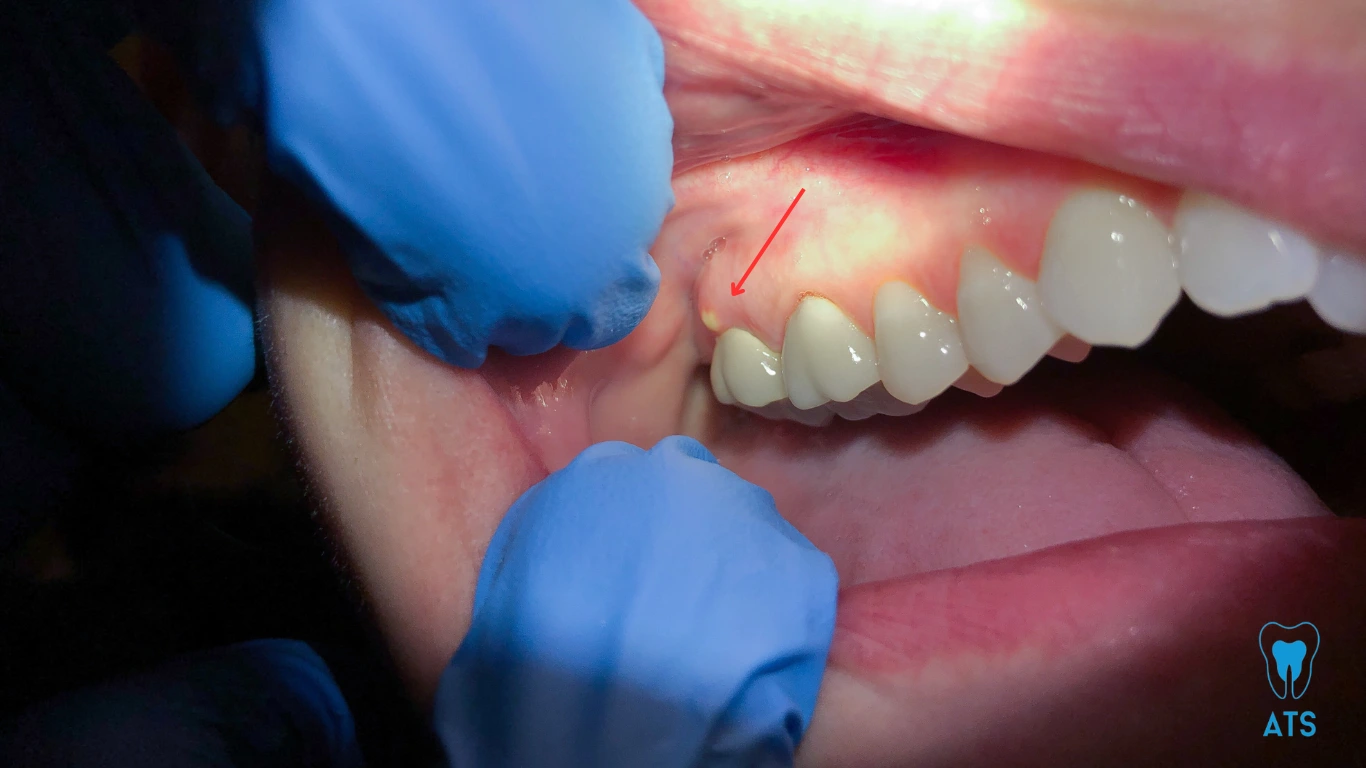
Sometimes, the infection drains
2. Advanced Gum Disease
Long-standing periodontal disease can cause deep pockets between the gums and teeth. As
the supporting tissues and bone are destroyed, bacteria may reach areas close to the root tip or
communicate with the root canal system through natural pathways.
In some advanced cases, the dental pulp may also become affected.
3. Cracks or Fractures in the Tooth
A crack extending towards the root can provide a pathway for bacteria to enter deeper
tissues. A vertical root fracture may also cause localised bone destruction and a deep gum pocket. Such cases require careful examination because a root fracture can significantly affect the
chances of saving the tooth.
4. Previous Dental Treatment or Root Damage
Occasionally, complications such as root perforations, external root resorption or damage
associated with previous dental procedures may contribute to an endo-perio lesion.
Identifying the underlying cause is essential before treatment begins.
What Are the Signs and Symptoms?
The symptoms of an endo-perio lesion can vary depending on the source, severity and stage
of infection.
Common signs include:
• Persistent toothache or discomfort while chewing.
• Swelling or tenderness around the affected tooth.
• Red, swollen or bleeding gums.
• Pus discharge from the gum area.
• A small pimple-like swelling on the gums, commonly called a gum boil.
• Deep gum pockets around one tooth.
• Loosening or increased mobility of the tooth.
• Changes in the colour of the tooth.
• Repeated episodes of infection or swelling.
Can an endo-perio lesion occur without pain?
Yes. Some lesions develop slowly and may not cause noticeable pain during the early stages.
They may only be discovered during a routine dental examination or when an X-ray is taken.
Therefore, the absence of pain does not always mean that the tooth and surrounding gums
are healthy.
How Is an Endo-Perio Lesion Diagnosed?
Accurate diagnosis is the most important step in managing this condition. Since root
infections and gum infections can produce overlapping symptoms, a dentist needs to examine both
the tooth and its surrounding tissues.
The assessment may involve the following:
1. Pulp Vitality or Sensibility Testing
The dentist checks how the nerve-containing tissue inside the tooth responds to specific
tests, such as cold or electrical stimulation.
An absent or altered response may indicate damage or infection of the dental pulp. These
tests are interpreted alongside other clinical findings.
2. Periodontal Pocket Measurement
A specialised dental instrument called a periodontal probe is used to measure the depth of
the space between the tooth and the surrounding gum.
Deep or unusually narrow pockets may provide important clues about the extent and
possible cause of the infection.
3. Dental X-rays
Dental X-rays help identify changes in the bone around the root, infection near the root tip
and areas of bone loss around the tooth.
They also help assess the condition of previously treated teeth.
4. Additional Imaging When Required
In selected complicated cases, a Cone Beam Computed Tomography (CBCT) scan may be
recommended. This provides a more detailed three-dimensional view and may help identify root
fractures, perforations or resorption.
CBCT is not necessary for every patient. It is used when the additional information is likely to
help with diagnosis and treatment planning.
How Are Endo-Perio Lesions Treated?
The treatment depends on where the infection started, whether the dental pulp is affected,
the amount of supporting bone remaining and whether the root is damaged.
There is no single treatment plan that works for every case. In many lesions involving an
infected or non-vital pulp, root canal treatment is performed first, followed by a reassessment of the
gum condition.
1. Root Canal Treatment
If the dental pulp is infected or has become non-vital, root canal treatment may be
recommended.
During this procedure, the infected or damaged pulp tissue is removed, the root canals are
cleaned and disinfected, and the canals are sealed.
By controlling the infection inside the tooth, root canal treatment can help create conditions
for the surrounding tissues to heal.
2. Periodontal (Gum) Treatment
If deep gum pockets, plaque and hardened deposits are present, periodontal treatment may
be required.
Depending on the severity, treatment may include:
• Scaling and root planing to remove bacterial deposits and tartar below the gum line.
• Periodontal pocket treatment to control infection.
• Periodontal surgery when deeper pockets persist.
Regenerative periodontal procedures in selected cases where rebuilding lost supporting
tissue may be possible.
The type of gum treatment depends on the amount of damage and how the tissues respond
to initial treatment.
3. Reassessment and Follow-Up
After the initial treatment, the dentist evaluates the tooth again to check whether the
infection has reduced and whether the surrounding gum tissues are healing.
For many non-acute communicating lesions, current clinical guidance supports reassessing
the result of root canal treatment after an appropriate healing period, often around three months,
before treating any remaining periodontal pocket.
In selected cases without direct communication between the two areas, root canal and
periodontal treatments may be performed together or in a different sequence.
Regular follow-up appointments are important to monitor healing and detect any
recurrence.
4. When Is Tooth Extraction Necessary?
The primary aim is to preserve the natural tooth whenever it has a reasonable chance of
long-term success.
However, extraction may be recommended when there is:
• An untreatable vertical root fracture.
• Severe damage or resorption of the root.
• Extensive loss of supporting bone around the tooth.
• Severe tooth mobility with a poor long-term prognosis.
• Insufficient healthy tooth structure to restore the tooth.
• An infection that cannot be predictably controlled.
Your dentist will explain the clinical findings, possible treatment outcomes and available
alternatives before recommending extraction.
Can an Endo-Perio Lesion Be Treated Without Removing the Tooth?
Yes, some affected teeth can be saved.
The outcome depends on important factors such as the extent of bone loss, the presence of
root fractures, the condition of the dental pulp, the amount of healthy tooth structure and the
patient’s response to treatment.
When there is no untreatable root damage, a planned combination of root canal and
periodontal treatment may help control the infection and preserve the natural tooth.
However, successful treatment also depends on maintaining good oral hygiene and attending
regular dental reviews. Even after the initial infection is controlled, long-term monitoring is
important.
How Can You Protect Your Teeth After Treatment?
Good oral hygiene plays an important role in maintaining the results of treatment.
Here are some simple measures to follow:
• Brush twice daily using a soft-bristled toothbrush and fluoride toothpaste.
• Clean between your teeth every day using dental floss or suitable interdental brushes.
• Avoid smoking and tobacco products, as they can adversely affect gum health and healing.
• Attend regular dental check-ups and professional cleaning when recommended.
• Follow your dentist’s instructions and complete the recommended treatment plan.
• Inform your dentist about medical conditions such as diabetes that may affect gum health
and healing.
Good daily cleaning helps control plaque, reduce gum inflammation and lower the risk of
further periodontal damage.
Protect Your Natural Tooth with the Right Treatment
An endo-perio lesion requires careful evaluation because both the inside of the tooth and
the surrounding supporting tissues may be affected. Treating only one part of the problem may not
be enough.
Early diagnosis, appropriate treatment sequencing and regular follow-up can improve the
chances of retaining a treatable natural tooth.
At ATS Dental Clinic, Thoraipakkam, Chennai, our dental team provides root canal treatment
and periodontal care based on individual clinical findings. We believe in explaining the diagnosis,
treatment options and expected outcomes so patients can make informed decisions about their oral
health.
Frequently Asked Questions (FAQs)
A root canal infection mainly affects the pulp tissue inside the tooth. An endo-perio lesion
involves both the root canal system and the surrounding periodontal tissues, including the gums and
supporting bone
In advanced cases, periodontal destruction may allow bacteria to reach pathways connected
to the dental pulp. This can affect the pulp, although not every case of gum disease results in a root
canal infection.
No. Root canal treatment is recommended when the dental pulp is irreversibly damaged or
infected. If the pulp is healthy and the problem is limited to periodontal tissues, gum treatment may
be the appropriate approach. The diagnosis determines the treatment.
In some cases, treating the infection inside the tooth helps the surrounding tissues heal.
However, if a periodontal pocket or significant gum disease remains, additional periodontal
treatment may be needed. Regular follow-up is important.
Extraction may be necessary when the tooth has an untreatable root fracture, extensive root
damage, severe supporting bone loss or cannot be restored properly. The decision is made after
evaluating the tooth’s overall condition and long-term prognosis.
Book a Safe, Personalized Consultation Today
Experiencing persistent tooth pain, gum swelling or a recurring gum boil?
Schedule a dental consultation at ATS Dental Clinic to have your tooth and gum health assessed.
ATS Dental Clinic
No. 6, First Floor, 200 Feet Radial Road, Thoraipakkam, Chennai – 600097.
Phone: +91 82480 12987
Website: https://atsdentalclinic.com/