Can Teeth Cleaning Damage Your Tooth Enamel?
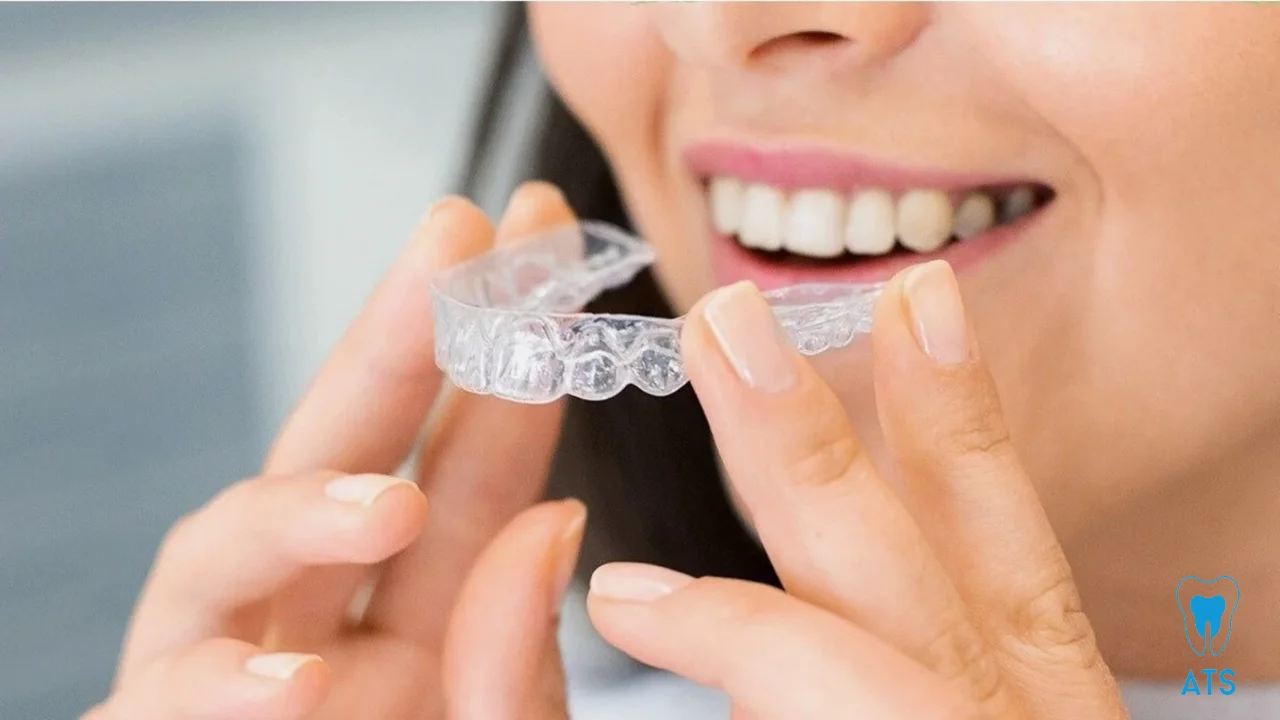
Invisalign clear aligners are a popular orthodontic treatment for people who want to straighten their teeth without traditional metal braces. These transparent, removable aligners gradually move teeth into a planned position, helping improve dental alignment and your smile.
However, Invisalign is not suitable for everyone, and a dental examination is essential before starting treatment. Certain dental conditions, medical histories and uncommon reactions may affect whether Invisalign is an appropriate option for you.
If you are considering Invisalign treatment in Chennai, understanding its safety warnings, contraindications and precautions can help you make an informed decision.
At ATS Dental Clinic, Thoraipakkam, OMR, Chennai, we encourage patients to discuss their dental concerns, medical history and treatment expectations with their dentist before beginning clear aligner treatment.
1. Active Gum Disease: An Important Contraindication
One of the most important Invisalign contraindications is active periodontal disease, commonly known as active gum disease. Gum disease affects the tissues and bone that support your teeth. Since orthodontic treatment involves gradually moving teeth, active inflammation and damage to the supporting tissues can increase the risk of complications.
What are the warning signs of gum disease?
Look out for symptoms such as:
- Bleeding gums while brushing or flossing.
- Red, swollen or tender gums.
- Persistent bad breath.
- Receding gums or teeth that appear longer.
- Loose teeth or changes in how your teeth fit together.
Can you get Invisalign if you have gum disease?
Invisalign is contraindicated in patients with active periodontal disease. Your dentist may recommend treating the gum condition first and assessing whether your gums and supporting bone are healthy enough for orthodontic treatment.
Patients whose periodontal disease has been successfully treated and is stable may still be eligible for Invisalign, depending on the dentist’s assessment.
Important: Do not ignore bleeding gums or loose teeth simply because you want to begin teeth straightening treatment. Healthy gums are an essential part of successful orthodontic care.
2. Allergic Reactions to Invisalign Aligners
Although uncommon, some patients may experience an allergic reaction to the plastic material used in Invisalign aligners.
What symptoms should you watch for?
Possible warning signs include:
- Unusual itching or irritation inside the mouth.
- Swelling of the lips, tongue or other oral tissues.
- A rash or other allergic symptoms.
- Difficulty breathing or swallowing.
Not every episode of mouth irritation indicates an allergy. However, persistent or unusual symptoms should not be ignored.
What should you do if you suspect an allergic reaction?
Discontinue wearing the aligners and seek prompt medical advice. If you develop difficulty breathing, throat swelling or severe swelling of the tongue or lips, seek emergency medical attention immediately. Inform your treating dentist about the reaction before considering any further aligner use.
3. Hereditary Angioedema (HAE): A Rare but Important Warning
Hereditary angioedema, or HAE, is a rare genetic condition that can cause sudden episodes of swelling beneath the skin and in certain internal tissues.
In susceptible individuals, mild physical triggers, including dental procedures, may trigger an episode. In rare cases, swelling can affect the throat or larynx and become life-threatening.
Is Invisalign suitable for patients with HAE?
Patients with known or suspected hereditary angioedema should discuss their condition with their medical specialist and dentist before starting orthodontic treatment.
Your healthcare team can assess the potential risks and plan appropriate precautions.
What should you do if sudden swelling occurs?
If you experience sudden swelling of the tongue or throat, difficulty breathing or difficulty swallowing, seek emergency medical care immediately. Do not wait for the symptoms to settle on their own.
Tell your treating dentist about the episode as soon as it is safe to do so.
4. Risk of Accidentally Swallowing or Inhaling Aligner Parts
Invisalign aligners are removable appliances. In uncommon situations, an aligner or a broken piece of an orthodontic appliance may be accidentally swallowed or inhaled.
This risk is particularly important if an aligner becomes damaged, cracked or broken.
If you suspect that you have swallowed or inhaled an aligner or a piece of it, seek prompt medical advice. If you have choking, breathing difficulties or other severe symptoms, seek emergency care immediately.
Inform your Invisalign dentist about the incident as well.
How can you reduce this risk?
Follow these simple precautions:
- Handle your aligners carefully when inserting and removing them.
- Check for visible cracks or damage.
- Store your aligners in their protective case when not in use.
- Never continue using an aligner that is significantly damaged without advice from your dentist.
- Keep aligners away from young children and pets.
5. Other Important Invisalign Precautions
In addition to the specific warnings above, patients should understand several practical considerations before starting clear aligner treatment.
Existing dental implants
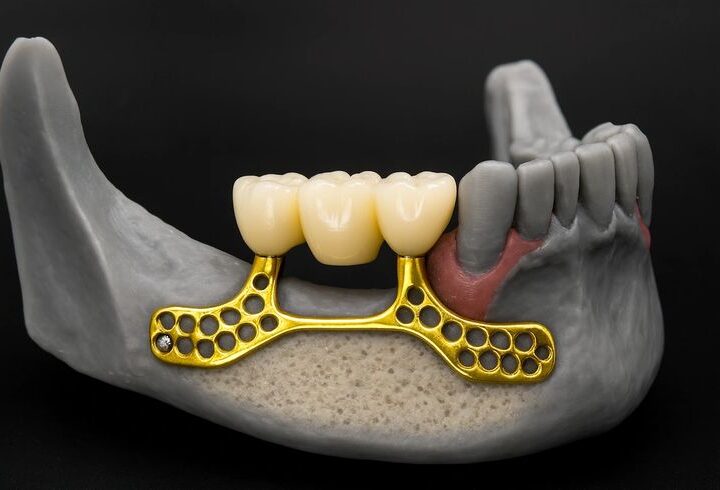
Dental implants are fixed in the jawbone and cannot be moved through orthodontic treatment in the same way as natural teeth. Invisalign treatment planning must account for any existing implants.
Tell your dentist if you have dental implants so that your treatment plan can be designed around your existing dental work.
Crowns, fillings and other dental restorations
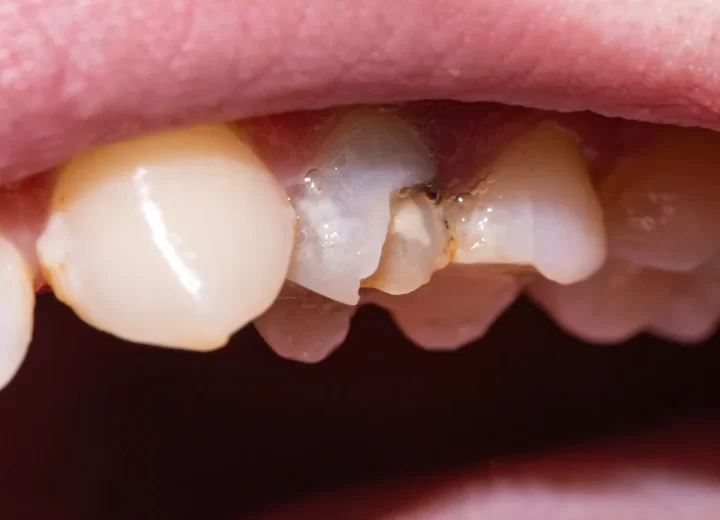
Existing crowns, fillings and other restorations should be assessed before treatment. Some restorations may become loose or require repair during orthodontic treatment.
Your dentist will evaluate your dental condition and discuss any relevant risks before proceeding.
Tooth decay and oral hygiene
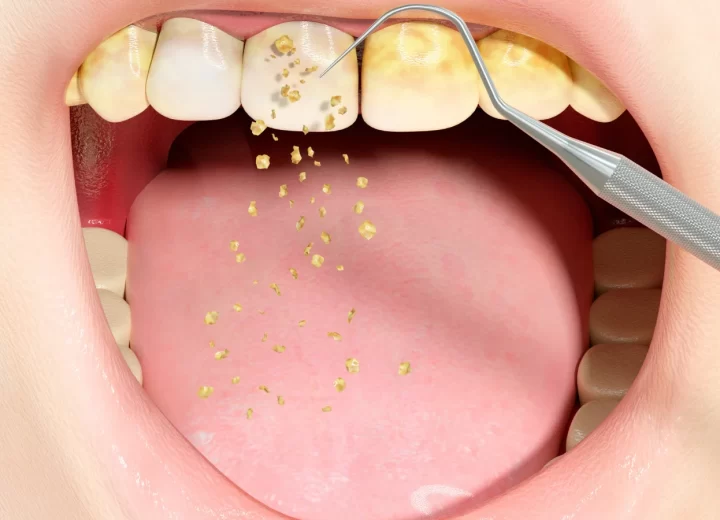
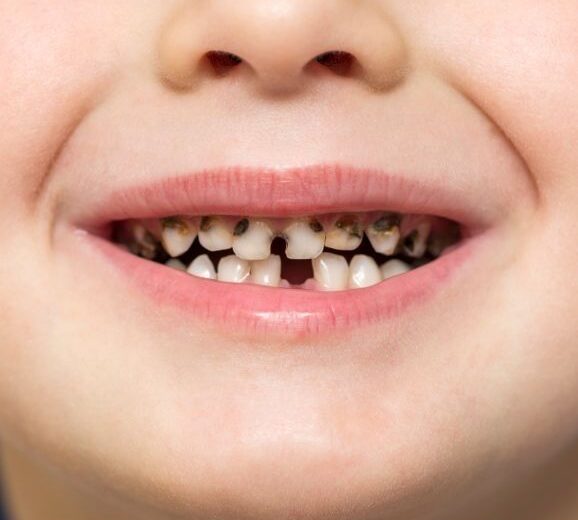
Good oral hygiene is essential during Invisalign treatment. Wearing aligners over teeth that have not been cleaned properly can contribute to plaque accumulation and increase the risk of tooth decay and gum problems.
To help protect your teeth:
- Brush twice daily with fluoride toothpaste.
- Clean between your teeth every day using floss or an appropriate interdental cleaner.
- Brush your teeth before putting your aligners back in after meals.
- Clean your aligners according to your dentist’s instructions.
- Attend regular dental check-ups throughout treatment.
Treatment suitability and monitoring
Clear aligners can treat many orthodontic problems, but some complex cases may require additional orthodontic techniques or a different treatment approach.
Your dentist will assess your teeth, bite, gum health and dental history to determine whether Invisalign is suitable for your needs. Regular follow-up visits help your dentist monitor tooth movement and identify any problems early.
6. How to Make Your Invisalign Treatment Safer
You can help reduce the risk of complications by following your dentist’s instructions and attending scheduled appointments.
Before beginning treatment, make sure you:
- Complete a dental examination: Check for active gum disease, tooth decay and other conditions that may need treatment.
- Share your medical history: Inform your dentist about known allergies, hereditary angioedema, previous dental treatment and relevant medical conditions.
- Follow your prescribed wearing schedule: Wear your aligners for the duration recommended by your treating dentist.
- Maintain excellent oral hygiene: Clean your teeth before reinserting your aligners and follow the recommended cleaning routine.
- Attend follow-up appointments: Allow your dentist to check your progress and make adjustments to your treatment plan if needed.
- Report unexpected symptoms promptly: Contact your dentist if you experience persistent pain, unusual swelling, damaged aligners or unexpected changes in your bite.
Never attempt to change your treatment schedule or continue wearing a damaged aligner without seeking appropriate advice.
Frequently Asked Questions (FAQs)
Invisalign can be a suitable treatment option for many adults when prescribed and monitored
by a qualified dental professional. Suitability depends on gum health, tooth condition, bite
problems, medical history and treatment goals.
People with active periodontal disease should not begin Invisalign treatment while the disease
is active. Other patients may need additional assessment because of medical conditions,
allergies, complex orthodontic problems or existing dental restorations.
Your dentist can determine whether Invisalign or another treatment option is appropriate.
Rarely, patients may experience an allergic reaction to aligner materials. If you suspect an
allergic reaction, stop wearing the aligners and seek medical advice. Severe swelling or
breathing difficulties require emergency medical attention.
Bleeding gums may be a sign of gingivitis or another gum condition. You should have your
gums examined before starting Invisalign. If active periodontal disease is present, it must be
addressed before orthodontic treatment can be considered.
Stop using a significantly damaged aligner until your treating dentist advises you what to do.
Contact your dentist to determine whether you should use a previous aligner, move to the
next one or obtain a replacement. Do not make this decision independently.
Is Invisalign the Right Choice for You?
Invisalign can be an effective way to straighten teeth, but safe treatment starts with the right diagnosis, careful treatment planning and regular professional supervision.
Active gum disease, possible allergic reactions, hereditary angioedema and the risk of swallowing or inhaling damaged appliance parts are important safety considerations. Existing implants, dental restorations and oral hygiene also need attention during treatment.
The best way to determine whether Invisalign is suitable for you is to undergo a comprehensive dental assessment before beginning treatment.
Considering Invisalign treatment in Chennai?
Visit ATS Dental Clinic, Thoraipakkam, OMR, Chennai, to discuss your teeth alignment concerns, learn about clear aligner treatment and understand the options available for your smile.
Book a dental consultation to find out whether Invisalign is appropriate for your dental health and treatment goals.
Medical disclaimer: This article is intended for general educational purposes and does not replace a professional dental examination or individual medical advice. Treatment suitability and risks vary from person to person.