
The Hidden Factor in Your Dental Chair: How Vitamin K Deficiency Affects Dental Treatments
When preparing for a dental appointment—whether it is a routine deep cleaning, a tooth extraction, or dental implant surgery—most people focus on brushing, flossing, and managing dental anxiety. Rarely do we think about the vitamins circulating in our bloodstream. Yet, one fat-soluble nutrient plays a silent, critical role in the safety and success of your dental care: Vitamin K.
Known primarily as the “clotting vitamin,” Vitamin K is essential for hemostasis (stopping bleeding) and bone mineralization. When your body lacks enough of it, routine dental procedures can quickly turn into complex clinical challenges. Here is what you need to know about how Vitamin K deficiency impacts dental treatments and how to prepare safely.
- Excessive Bleeding During and After Procedures
The most immediate concern with Vitamin K deficiency in a dental setting is impaired blood clotting. Your liver relies on Vitamin K to produce key coagulation proteins (such as prothrombin). Without enough Vitamin K, these clotting factors remain inactive.
- Routine Cleanings & Gum Treatments: Even non-surgical procedures like scaling and root planing (deep cleanings) involve manipulating the gum tissue. A deficient patient may experience prolonged oozing from the gums that is harder to control than normal.
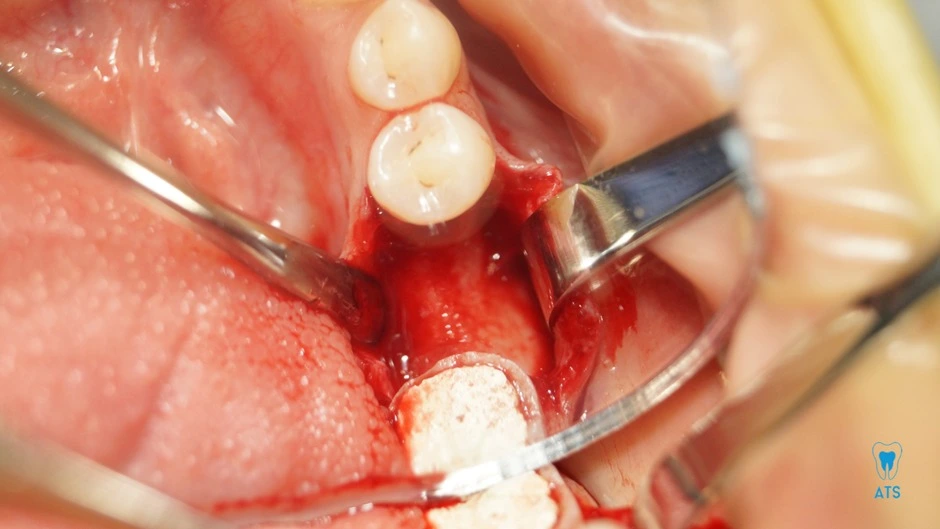
- Extractions & Oral Surgery: Invasive procedures—such as wisdom tooth extractions, periodontal flap surgery, or frenectomies—rely heavily on the body forming a stable blood clot to seal the surgical site. Low Vitamin K levels increase the risk of postoperative hemorrhage, hematoma formation (blood pooling under the tissue), and delayed wound healing.
- Compromised Bone Healing and Dental Implants
Beyond blood clotting, Vitamin K (particularly Vitamin K2) works alongside Vitamin D3 and calcium to keep your jawbone and teeth strong. Vitamin K activates a protein called osteocalcin, which binds calcium directly into the bone matrix and tooth dentin.
- Osseointegration Risks: For patients undergoing dental implant surgery or bone grafting, strong bone regeneration is non-negotiable. A deficiency can slow down bone remodeling and weaken the structural support holding teeth and implants in the jaw.
- Periodontal Support: Research suggests that adequate Vitamin K levels help regulate inflammatory markers and reduce alveolar bone resorption, meaning a deficiency may leave patients more vulnerable to advanced gum disease progression.
- Who Is at Risk for Vitamin K Deficiency?
While dietary Vitamin K deficiency is relatively uncommon in healthy adults—since it is found in leafy greens (K1), fermented foods, and animal products (K2), and is also synthesized by gut bacteria—certain groups face a much higher risk:
- Patients on Anticoagulants: Medications like warfarin (a Vitamin K antagonist) intentionally block Vitamin K activity to prevent dangerous blood clots.
Understanding how blood thinners interact with oral surgery helps explain why specialized dental protocols are necessary:
- How Anticoagulants Work: Anticoagulants (such as warfarin, which blocks Vitamin K, or Direct Oral Anticoagulants like apixaban, rivaroxaban, and dabigatran) prevent dangerous blood clots that cause strokes, deep vein thrombosis (DVT), or pulmonary embolisms.
- The Core Dental Challenge (Clotting vs. Bleeding): Stopping anticoagulants before dental work puts the patient at risk of a life-threatening thromboembolic event. Continuing them increases the risk of prolonged oozing during invasive procedures.
- Modern Clinical Consensus: Major dental guidelines (such as the Indian Dental Association) advise not stopping routine blood thinners for standard extractions or single implants. Instead, an experienced dentist manages bleeding locally using sutures, hemostatic sponges, and tranexamic acid rinses, while checking INR (International Normalized Ratio) blood levels for warfarin patients.
- Complex Surgeries (Full Mouth Implants): Because a full mouth implant
rehabilitation involves multiple surgical sites, the dental clinic coordinates directly with the patient’s cardiologist or physician, often staging the surgery into smaller, safer sessions.
- Gastrointestinal & Malabsorption Disorders: Conditions like celiac disease, Crohn’s disease, chronic pancreatitis, cystic fibrosis, or a history of bariatric surgery prevent the gut from absorbing fat-soluble vitamins properly.
- Long-Term Antibiotic Use: Broad-spectrum antibiotics can wipe out the beneficial intestinal bacteria that naturally produce Vitamin K2.
- Liver or Biliary Disease: Because clotting factors are synthesized in the liver, liver dysfunction impairs Vitamin K utilization.
- Preparing for Your Dental Visit Safely
If you suspect you have a bleeding tendency, bruise easily, or fall into a high-risk medical category, proactive communication with your dental team is the best safeguard.
- Disclose Your Full Medical History: Always inform your dentist about liver conditions, digestive disorders, and every medication or supplement you take.
- Never Stop Blood Thinners on Your Own: If you take warfarin or another anticoagulant, do not stop taking your medication or drastically alter your intake of Vitamin K-rich foods before dental surgery without consulting your prescribing physician. Dentists routinely manage anticoagulated patients safely by checking pre-operative INR (International Normalized Ratio) blood levels and using local hemostatic agents (like specialized sponges, sutures, or tranexamic acid rinses).
- Focus on Balanced Nutrition: For healthy individuals not on blood thinners, incorporating Vitamin K1 sources (spinach, kale, broccoli) and Vitamin K2 sources (eggs, cheese, fermented foods) supports natural clotting and long-term bone health.
Frequently Asked Questions (FAQs)
Yes, you can safely undergo a tooth extraction or receive a dental implant while taking anticoagulants. At ATS Dental Clinic, our dentist uses minimally invasive techniques, localized clotting agents, and precise sutures to control bleeding safely without requiring you to stop your heart or stroke medication.
No, never stop taking your blood thinners or alter your Vitamin K intake on your own before a dental appointment. Stopping anticoagulants abruptly puts you at risk of a serious medical event like a stroke. Always consult your cardiologist and our dental clinic team first so we can coordinate your care safely.
Yes, a full mouth implant rehabilitation can be performed safely with proper medical planning. Our dentist coordinates directly with your prescribing physician, checks relevant blood clotting tests (such as your INR level if you take warfarin), and may use computer-guided or staged surgical approaches to minimize bleeding and promote fast healing.
Vitamin K is essential for producing the proteins that help your blood clot and the osteocalcin that strengthens your jawbone. A deficiency—or medications like warfarin that block Vitamin K—can lead to prolonged oozing after an extraction or slower bone integration around a new implant, making specialized surgical management essential.
At ATS Dental Clinic, we review your full medical history, schedule morning appointments for easy monitoring, and use specialized hemostatic sponges, resorbable stitches, and tranexamic acid rinses to stabilize blood clots immediately after your extraction or implant placement.
Book a Safe, Personalized Consultation Today
Living on blood thinners should never stand in the way of a healthy, pain-free smile. Whether you need a routine check-up, a gentle extraction, or a full mouth implant transformation, the experienced team at ATS Dental Clinic in Thoraipakkam, Chennai is here to guide you safely.
Ready to discuss your treatment options? Contact ATS Dental Clinic today to schedule a personalized evaluation with our dentist.