
4. What should you do if you develop a severe toothache during Diwali?
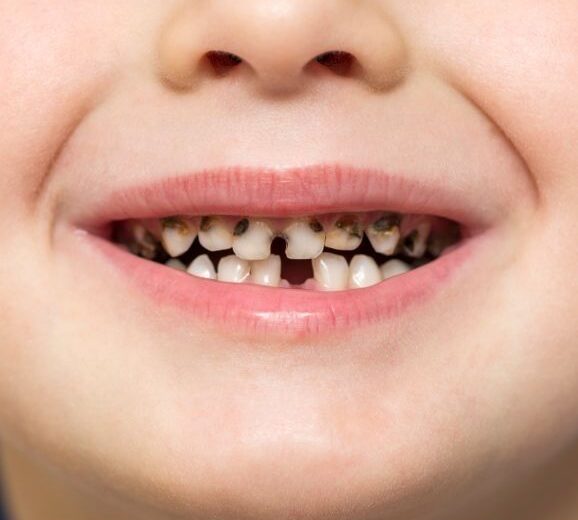
Enjoying sweets and festive food can sometimes aggravate an existing dental problem. A toothache may be associated with tooth decay, an infection or an inflamed dental nerve.What to do:
Follow these simple precautions:- Rinse your mouth gently with lukewarm salt water.
- Carefully clean between your teeth using dental floss if food is trapped.
- Avoid very hot, cold or sugary foods if they trigger pain.
- Apply a cold compress externally if there is swelling.
- Consult a dentist if the pain is persistent, severe or accompanied by swelling.
Avoid these common mistakes:
Follow these simple precautions:- Do not place aspirin directly on the tooth or gums.
- Do not apply alcohol or other household chemicals to the affected area.
- Do not take antibiotics without a dentist’s prescription.
- Do not ignore facial swelling or fever.
If you have facial swelling accompanied by difficulty breathing or swallowing, seek emergency medical care or nearby dental clinic immediately.
5. What should you do if your crown, filling or denture becomes loose?
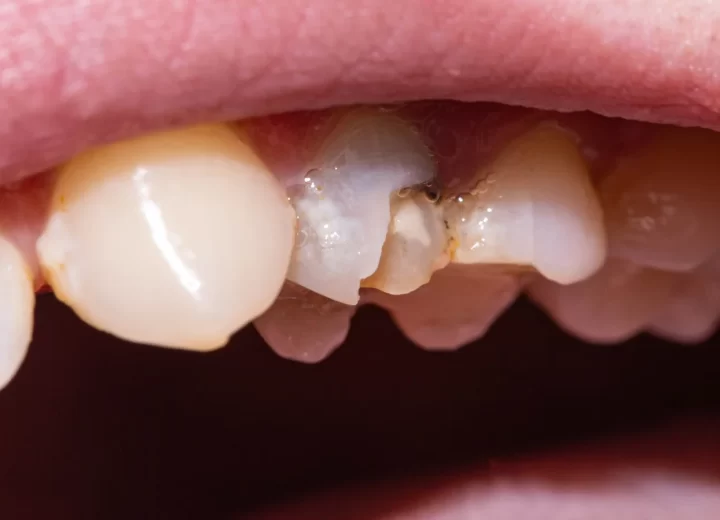
During festive meals, hard foods, nuts and sweets may sometimes cause an existing crown, filling or denture to become loose or dislodged.What to do:
- Remove a loose denture carefully to prevent accidental swallowing.
- If a crown comes off, keep it in a clean container and take it to your dentist.
- Avoid chewing on the affected side.
- Keep the area clean by gently rinsing your mouth.
- Arrange a dental appointment for proper examination and repair.
6. When should you visit a hospital instead of waiting for a dentist?
Not every dental emergency can be managed at a dental clinic. Some injuries require immediate hospital care.Go to the nearest emergency department if you experience: Before beginning treatment, make sure you:
- Severe facial injuries caused by fireworks or accidents.
- Uncontrolled bleeding from the mouth.
- Suspected jaw or facial bone fractures.
- Difficulty breathing or swallowing.
- Loss of consciousness, repeated vomiting or double vision following an accident.
- Severe swelling involving the face, neck or throat.
Your general health and safety must always come first.
7. How can you prevent dental emergencies during Diwali?
A few simple precautions can help protect you and your family.- Always supervise children when they are near fireworks.
- Maintain a safe distance while lighting crackers.
- Never hold fireworks close to your face.
- Wear protective eyewear when appropriate.
- Avoid using your teeth to crack nuts, open packets or bite hard objects.
- Do not chew ice, hard sweets or unpopped popcorn kernels.
- Keep children away from unsupervised firecracker activities.
- Maintain regular brushing and flossing, even during festive holidays.
- Do not postpone treatment for an existing toothache or dental infection.