
Acid Reflux (GERD) and Its Hidden Impact on Your Teeth
What is Acid reflux?
Acid reflux — medically known as Gastroesophageal Reflux Disease (GERD) — is a common digestive condition where stomach acid flows backward into the esophagus. Most people associate reflux with heartburn, nausea, or a bitter taste in the mouth. But did you know it can also seriously affect your oral health.
While acid reflux primarily affects your digestion, the acid that comes up into your mouth can harm your teeth — even when you don’t feel heartburn. This is an important but often overlooked consequence of the condition that your dentist keeps an eye out for.
How Acid Reflux Damages Teeth
- Stomach acid is extremely corrosive, with a very low pH, strong enough to demineralize and wear away enamel over time.
- When GERD causes frequent acid to reach the mouth, this acid erodes the enamel, leading to irreversible tooth wear. This process is called dental erosion.
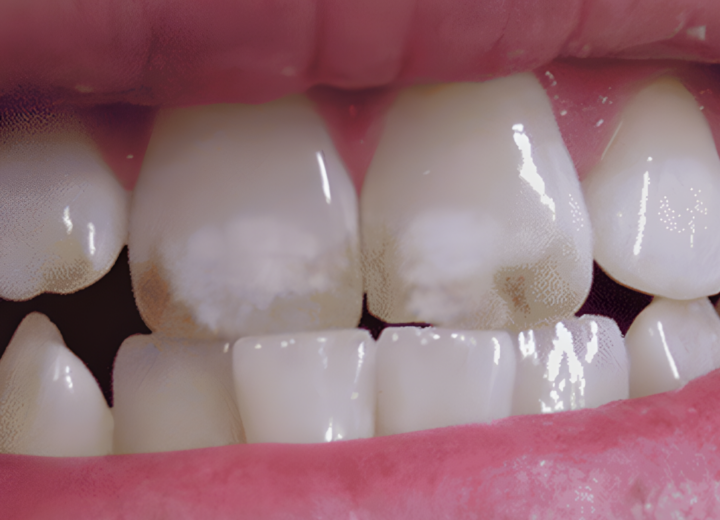
- Over months or years, enamel loss exposes the softer layer beneath (dentin), increasing sensitivity, changing tooth color, and weakening your teeth.
Signs of Acid Reflux Damage in Your Mouth
Many people don’t connect gut symptoms with dental issues, but the following signs can indicate an
acid reflux impact on your teeth:
- Tooth sensitivity when eating hot, cold, sweet, or sour foods.
- Yellowish or dull teeth as enamel thins and dentin becomes visible.
- Rounded, worn edges on teeth that used to look sharp.
- Smooth, glassy enamel surfaces that look different from healthy teeth.
- Cavities or rough spots even when maintaining good oral hygiene.
If you notice these changes without an obvious cause, acid reflux could be contributing.
Why Dental Erosion Happens in GERD
Saliva is one of our mouth’s most important defences — it neutralizes acids and helps remineralize
enamel. But during acid reflux episodes, especially at night:
- Saliva production decreases, reducing its protective effect.
- Refluxed acid stays in the mouth longer, giving more time to attack the enamel.
- Acid exposure repeated over and over leads to progressive enamel breakdown.
This is why even people without visible heartburn (so-called “silent reflux”) can have significant tooth
wear.
Protecting Your Teeth from Acid Reflux Damage
While enamel damage cannot be reversed, there are effective ways to slow or prevent further
erosion:
- Manage Acid Reflux Medically
Work with your healthcare provider to control GERD symptoms through diet, lifestyle, or
medications. Reducing the frequency of reflux episodes protects both your digestive and oral health. - Practice Smart Oral Care
- Rinse your mouth with plain water after reflux episodes to wash away acid.
- Wait at least 30 minutes before brushing after acid exposure — brushing too soon can wear away softened enamel.
- Use a fluoride-containing toothpaste to help strengthen enamel’s resistance to acid.
- Chew sugar-free gum to increase saliva flow after meals.
- Regular Dental Checkups
Your dentist can spot early signs of erosion and provide targeted preventive treatments like fluoride
varnishes, restorative care, or customized advice to protect your smile.
Frequently Asked Questions (FAQs)
Yes — persistent acid from reflux can erode enamel, weaken the tooth structure and increase sensitivity or risk of cavities.
Dentists look for patterns of enamel loss that match acid erosion, such as smooth or rounded tooth surfaces and thinning enamel, especially on the inner surfaces.
Enamel lost to acid erosion cannot grow back naturally. However, dental treatments like fluoride applications, fillings, or crowns can protect and strengthen your teeth.
No — brushing immediately can harm softened enamel. Rinse with water first and wait at least 30 minutes before brushing.
Patients with frequent reflux or signs of dental erosion may benefit from dental checkups every 3–6 months for early intervention and preventive care.