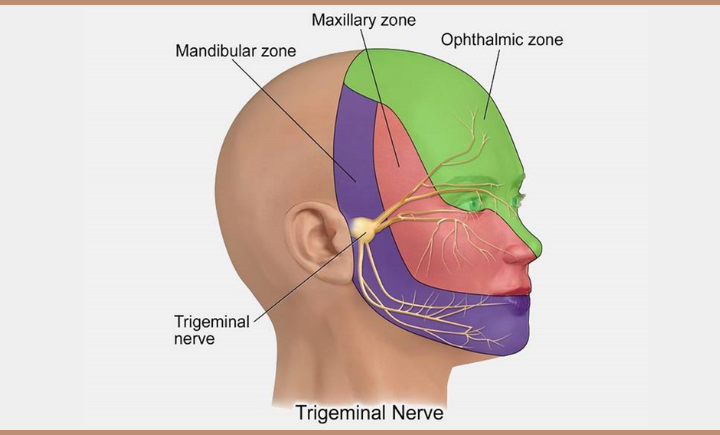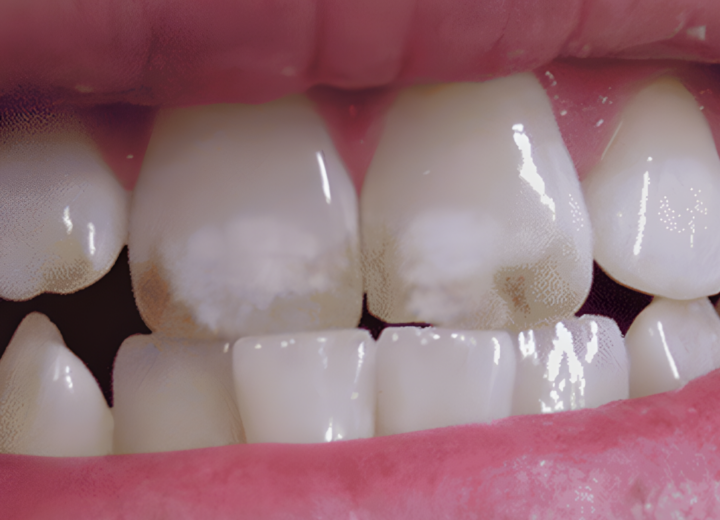
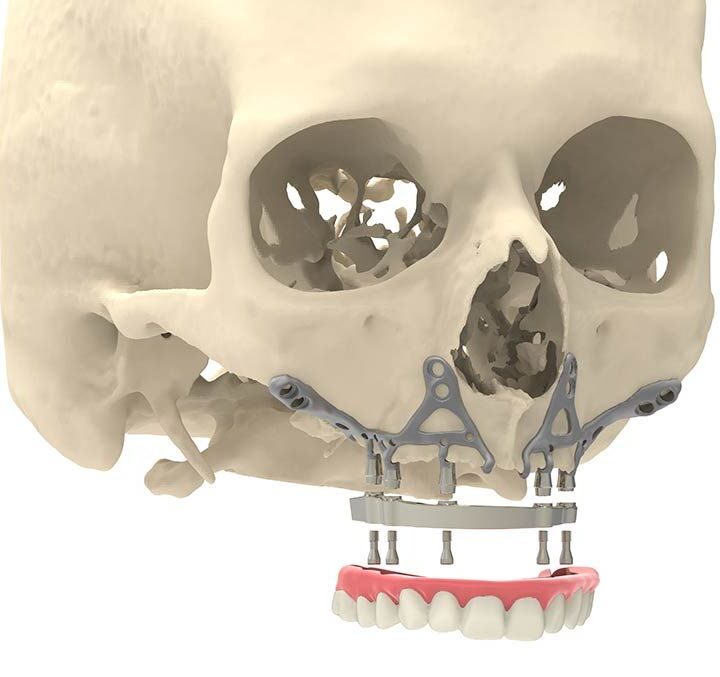
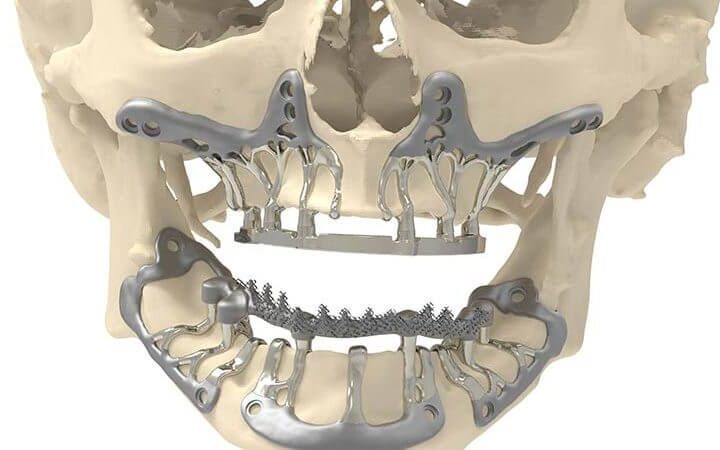
What ae Patient-Specific Dental Implants?
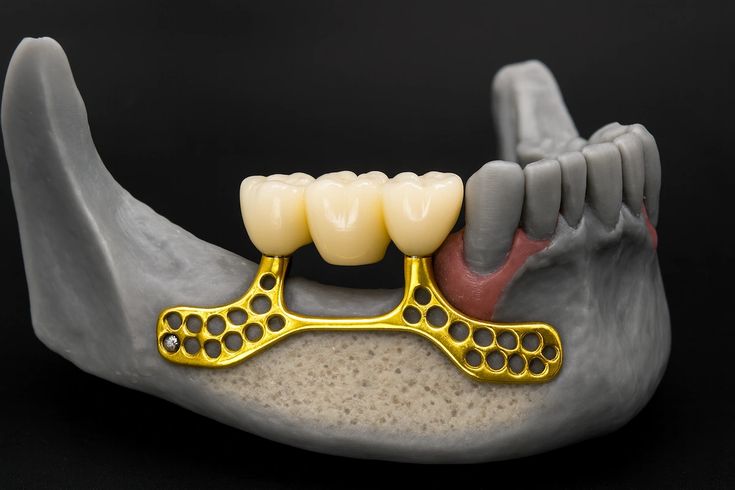
How are Patient-Specific Implants Planned?
The process begins with digital diagnostics, which may include:
• 3D CBCT scans of the jawbone
• Digital impressions (no messy trays)
• Bite analysis and smile design software
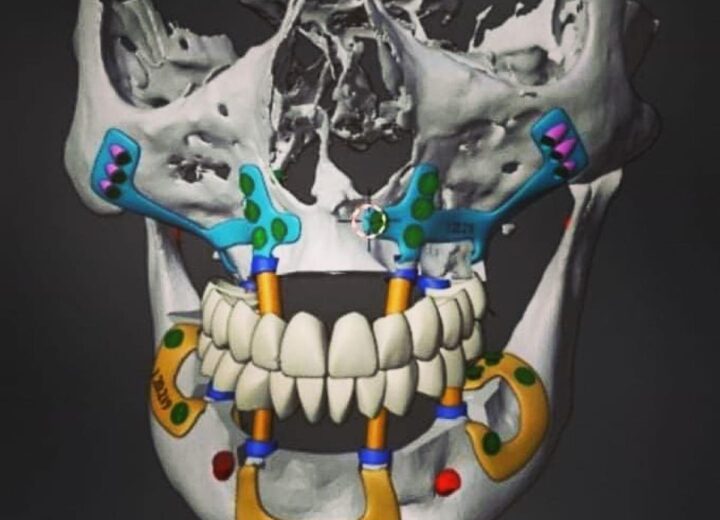
Using this data, the dentist plans:
• Exact implant size and shape
• Ideal angulation and depth
• Safe distance from nerves and sinuses
Why Patient-Specific Implants Are Better Than Conventional Implants
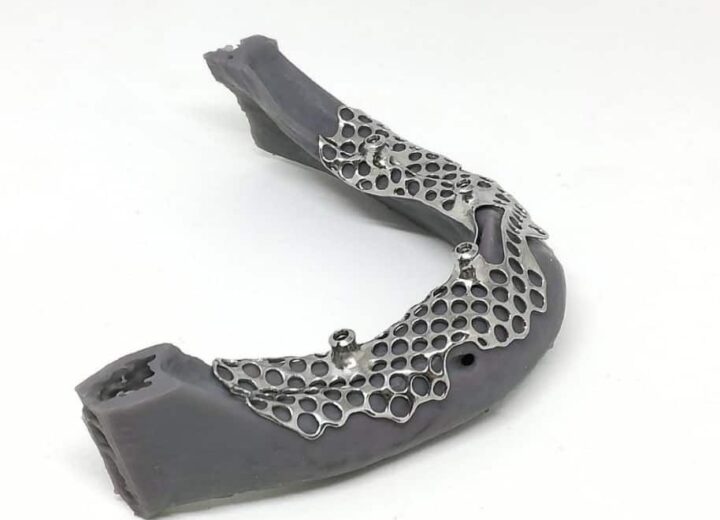
1. Perfect Fit for Your Jawbone
Every patient’s jawbone is unique. Custom implants are designed to match your bone
anatomy, which improves stability and long-term success.
2. Higher Accuracy and Safety
Digital planning minimizes risks such as:
• Nerve injury
• Sinus perforation
• Improper angulation
3. Faster Healing and Better Comfort
Because the implant fits precisely:
• Surgical trauma is reduced
• Healing time is often shorter
• Post-operative discomfort is minimal
4. Better Aesthetics
Customized implant positioning allows the final crown to look more natural, especially in
the front teeth region where appearance matters the most.
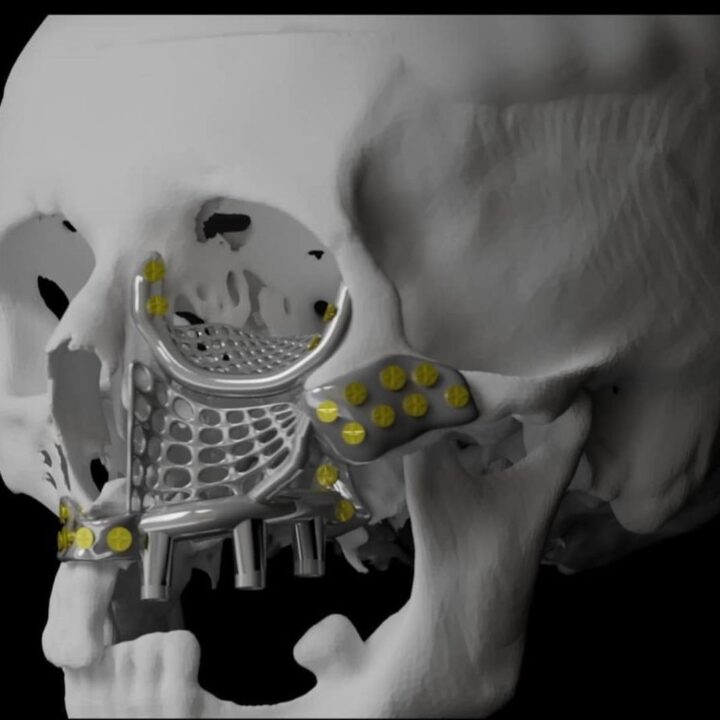
5. Ideal for Complex Cases
Patient-specific implants are especially useful for:
• Patients with limited bone
• Irregular jawbone anatomy
• Previous implant failure cases
Who is an Ideal Candidate for Patient-Specific Implants
You may benefit from patient-specific implants if you:
• Have missing one or more teeth
• Have low or uneven jawbone volume
• Want a highly accurate and long-lasting solution
• Prefer advanced, minimally invasive dental care
• Have medical conditions where precision is critical
Step-by-Step Treatment Process
1. Initial Consultation & Scan
Digital 3D scan and clinical examination.
2. Digital Implant Planning
Implant position and size are customized using software.
3. Guided Implant Surgery
Implant is placed using a custom surgical guide for precision.
4. Healing Phase
Bone integrates with the implant (osseointegration).
5. Final Crown Placement
A natural-looking crown is fixed over the implant.
Are Patient-Specific Implants Safe?
Cost of Patient-Specific Dental Implants
Patient-specific implants may cost slightly more than conventional implants due to:
• Advanced digital scans
• Custom planning
• Guided surgical systems
Why Choose a Clinic That Offers Patient-Specific Implants?
Choosing the right clinic is crucial. A clinic offering patient-specific implants usually provides:
• Advanced digital equipment
• Experienced implantologists
• Personalized treatment planning
• Higher safety and success standards
This ensures not just a replacement tooth—but a lasting solution.
Patient-specific dental implants represent the future of implant dentistry. By combining technology, precision, and personalization, they offer patients a safer, more comfortable, and highly successful way to restore missing teeth
Frequently Asked Questions (FAQs)
With proper oral hygiene and regular dental check-ups, patient-specific dental implants can last 15–25 years or even a lifetime. Their customized fit improves bone integration and long-term stability.
The total treatment time varies from patient to patient. On average:
• Implant placement: 30–60 minutes
• Healing (osseointegration): 3–6 months
• Final crown placement: 1–2 weeks
Your dentist will give a personalized timeline based on your bone health and treatment plan.
They may cost slightly more than traditional implants due to advanced digital planning and customized guides. However, patients benefit from higher success rates, better comfort, fewer complications, and long-term durability, making them a valuable investment in oral health.