ATS Treatments

Orofacial Fracture Treatment at ATS Dental Clinic In Thoraipakkam

Why Treat Orofacial Fractures ?

An orofacial fracture refers to a break or crack in the bones of the face or jaw, often caused by accidents, sports injuries, or physical trauma. Untreated fractures can lead to facial deformity, jaw misalignment, chronic pain, and difficulty in chewing or speaking. At ATS Dental Clinic, our maxillofacial specialists use advanced diagnostic tools and treatment techniques to restore both function and aesthetics.

Common causes of orofacial fractures include:

  • Road traffic accidents
  • Sports injuries
  • Falls or direct trauma
  • Physical assault
  • Industrial accidents

Types of Orofacial Fractures

Orofacial fractures can vary in severity and location. At ATS Dental Clinic, we diagnose and treat all types of facial bone injuries, including:

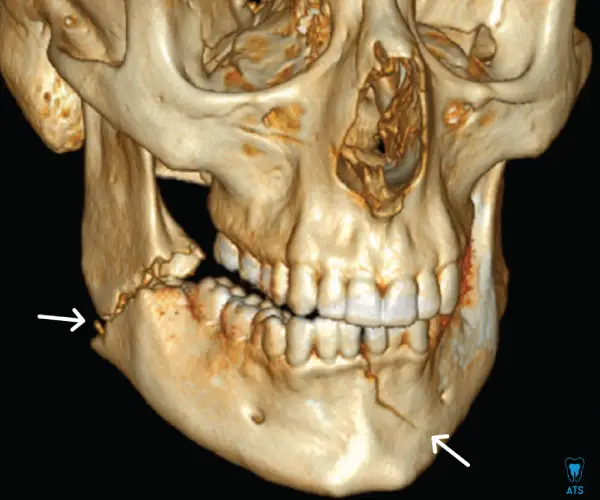
  1. Mandibular Fracture (Jaw Fracture)
    – A break in the lower jawbone, often caused by accidents, falls, or sports injuries.
    – Symptoms include pain, swelling, difficulty opening the mouth, and changes in bite alignment.
  2. Maxillary Fracture (Upper Jaw Fracture)
    – Involves the upper jaw and can affect chewing, speaking, and facial appearance.
    – Often accompanied by swelling, bruising, and nasal obstruction.
  3. Zygomatic Fracture (Cheekbone Fracture)
    – Affects the bone that forms the cheek and part of the eye socket.
    – Can cause flattened cheek appearance, swelling, and vision changes.
  4. Orbital Fracture (Eye Socket Fracture)
    – Involves the bones around the eye, potentially causing double vision, swelling, and restricted eye movement.
  5. Nasal Bone Fracture (Broken Nose)
    – The most common facial fracture, causing pain, swelling, bleeding, and breathing difficulty.
  6. Le Fort Fractures (Special type of midface fracture)
    – Classified into Le Fort I, II, and III, depending on severity and bone involvement.
    – Usually result from high-impact trauma like road accidents.
  7. Alveolar Fracture (Tooth-Supporting Bone Fracture)
    – Involves the bone that holds the teeth, often occurring with tooth displacement or loss.

Procedure for Orofacial Fracture Management

At ATS Dental Clinic, we follow a step-by-step, patient-focused approach for fracture management:

  • Clinical & Radiographic Diagnosis

    Using digital X-rays, CBCT scans, and physical examination to assess fracture severity.
  • Pain & Swelling Control

    Immediate medication to reduce discomfort and inflammation.
  • Stabilization of the Fracture

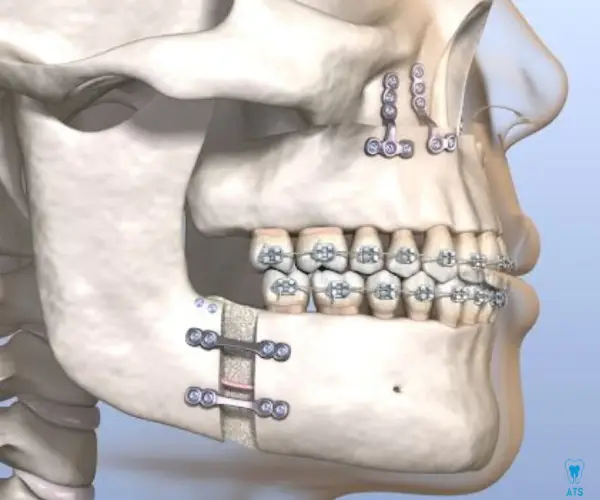
    Depending on the type of fracture, treatment may include intermaxillary fixation (IMF), plates, screws, or wiring to align bones properly.
  • Surgical Intervention (If Required)

    Open reduction and internal fixation for severe cases.
  • Post-Treatment Rehabilitation

    Physiotherapy and bite correction exercises to restore full function.
  • Follow-up & Monitoring

    Regular check-ups to ensure proper healing and prevent complications.

Prognosis

With early diagnosis and expert treatment, the prognosis for orofacial fractures is highly favourable. Most patients regain full jaw function, facial symmetry, and aesthetics within weeks to months, depending on the injury’s complexity. Delayed treatment can cause permanent deformity, joint problems, and chronic pain, so immediate dental consultation is essential.

Frequently Asked Questions (FAQs)

  • What is an orofacial fracture?

    An orofacial fracture is a break in the bones of the face or jaw caused by trauma such as accidents, falls, or sports injuries.

  • Is treatment for an orofacial fracture painful?

    At ATS Dental Clinic, we use advanced pain management and anesthesia techniques to ensure your treatment is as comfortable and pain-free as possible.

  • How do I know if I have a jaw fracture?

    Common symptoms include pain, swelling, difficulty in chewing or speaking, loose teeth, and changes in facial shape.

  • How soon should I get treatment after a facial injury?

    Immediate treatment is crucial to prevent permanent damage, misalignment, or long-term functional problems.

  • Will I need surgery for an orofacial fracture?

    Minor fractures may be treated with splints or wiring, while severe cases may require surgery with plates and screws.

  • How long does it take to heal from a jaw or facial fracture?

    Healing time varies, but most patients recover within 4–8 weeks with proper treatment and follow-up care.

  • Can I eat normally after fracture treatment?

    In the initial healing period, a soft or liquid diet is recommended to avoid putting strain on the jaw.

  • Will there be visible scars after surgery?

    Most surgeries are performed with minimal or hidden incisions, reducing the risk of visible scarring.

  • Can a broken jaw affect my teeth?

    Yes, fractures can cause loose teeth, bite problems, or tooth loss, which can be treated alongside fracture repair.

  • Why should I choose ATS Dental Clinic for fracture treatment?

    We have experienced maxillofacial specialists, advanced imaging technology, and a proven track record in treating complex facial injuries with precision and care.