
ATS Treatments

Gum Disease Treatment – ATS Dental Clinic In Thoraipakkam

Why Treat Gum Disease?

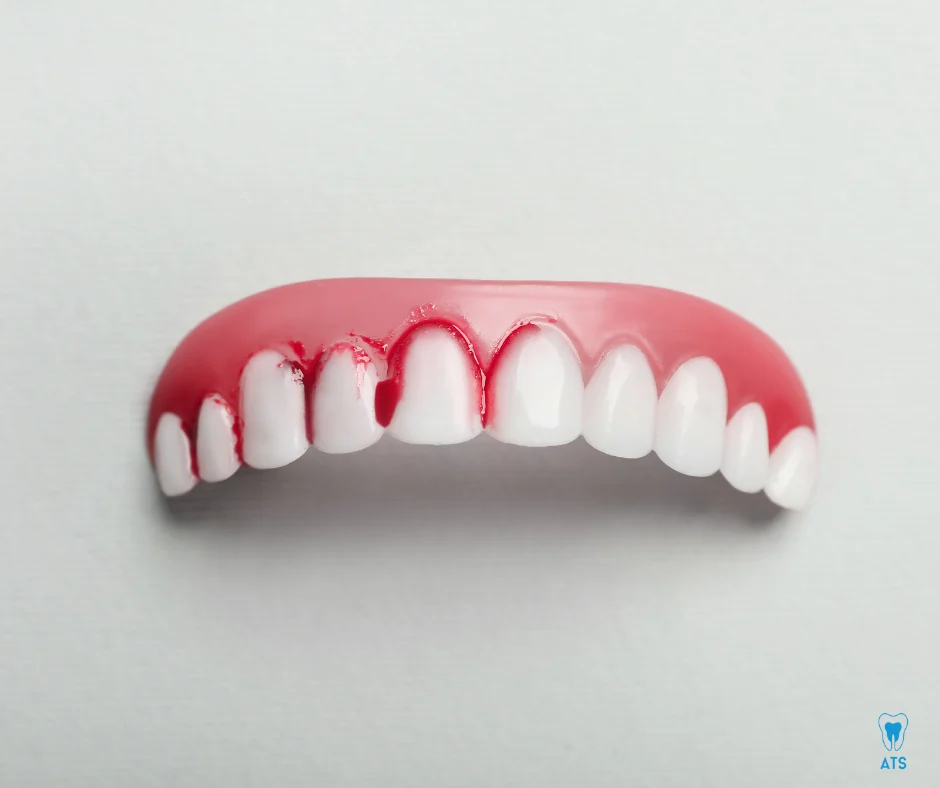
Gum disease, also known as periodontal disease, is an infection of the gums and supporting structures of the teeth. It starts as gingivitis (red, swollen, bleeding gums) and, if left untreated, can progress to periodontitis, causing bone loss and tooth mobility.
At ATS Dental Clinic, we specialize in early detection and effective treatment of gum disease to prevent tooth loss, protect your smile, and maintain your overall health—since gum disease is also linked to conditions like diabetes and heart disease.

What is Gum Disease?

Gum disease, also known as periodontal disease, is a bacterial infection that affects your gums. If your gums are swollen or bleed easily, it is possible that you might have gum disease as these are the early signs. Having bad breath, which is usually a result from the blood and lack of oral hygiene, is also another early sign.

Gingivitis vs. Periodontitis: The Stages of Gum Disease

The early stage of gum disease is called gingivitis, and if left untreated, it may progress into the later stage called periodontitis. At this stage, your teeth will become rather loose and form gum pockets, which are the spaces between the gums and teeth. Bacteria could easily get stuck in these pockets, resulting in further damage to your dental health. Therefore, it is important to treat gum disease as early as possible.

What are the causes of Gum Disease?

There are several factors that could cause gum disease, including:

What are the risks and Possible Complications of having a Gum Disease?

The receding gums and increasing gum pockets caused by gum disease may lead to tooth loss. Additionally, some researchers have suggested that gum disease may also increase the possibilities of serious health issues, including diabetes, lung disease, heart disease, and premature birth.

Gum Disease treatments and why you might need them

To avoid the risks and complications of having a gum disease, getting a proper treatment is a wise decision and a good step for better health. There are several treatments available to repair your gums, varying based on the levels of severity that each suit most.

How Do Gum Disease Treatments Work?

Firstly, your dentist will perform a dental exam, checking the gums’ firmness and condition, size and depth of gum pockets, teeth alignment, and jawbones. They will also conduct a dental hygiene evaluation to see if your oral hygiene has been adequate.

Next, your dentist will determine the most suitable treatment depending on the severity of your condition. Here are some of the treatments that can be done:

  • Scaling: This is a non-surgical treatment to cure gum disease. The dentist will professionally remove dental plaque and tartar (the yellow or brown deposit on the lower part of your teeth) by using dental tools. Sometimes it takes more than one session to complete the scaling process, and when the condition is more serious, root planing is needed.
  • Root planing: Similar to scaling, root planing is a non-surgical method to heal gum disease as well. While scaling focuses on deep cleaning the teeth, root planing aims to cleanse the area underneath your gums, including the roots of teeth. Local anaesthetic, which will make your gums numb, may be required for this process.
  • Bone graft: Bone grafting is a surgical procedure that is needed when your teeth have been seriously affected. The dentist will take a sample of your bone from a different area of your body and then graft it onto your bone. This method is designed to strengthen jawbones and teeth that have been seriously affected by gum disease.
  • Soft tissue graft: In cases where the gums have greatly receded, this method is used to strengthen the gums. A tissue sample will be taken from the roof of your mouth and then carefully stitched onto the affected area.
  • Gum contouring: This procedure is required when your gum line had become uneven due to gum recession, making it easier for bacteria’s to get trapped. The goal of gum contouring is to help even out the gum line and restore proper protection for the teeth. The dentist will give you a local anaesthetic to numb the gums before removing excess gum tissues using soft tissue laser.

Procedure for Gum Disease Treatment

  • Diagnosis & Assessment

    We perform a detailed gum examination, measure pocket depths, and may take dental X-rays to check bone levels.
  • Professional Cleaning (Scaling & Root Planing)

    Deep cleaning removes plaque, tartar, and bacteria from above and below the gum line.
  • Laser Gum Treatment

    Minimally invasive laser therapy helps kill bacteria and promote healing without surgery.
  • Surgical Intervention (if advanced)

    Flap surgery or bone grafts may be required in severe cases.
  • Home Care Guidance

    We teach proper brushing, flossing, and mouth rinse techniques to prevent recurrence.

Gum Disease Aftercare Instructions

  1. After the treatment, your dentist will prescribe certain medications that need to be taken to lessen the swelling and discomfort.
  2. You are also only allowed to consume soft food and food that cannot be easily stuck in teeth, avoid hot and cold food and beverages, avoid spicy and acidic food, chew carefully on the side that is not affected by the treatment, and you are not allowed to smoke and consume alcohol for 2-14 days after the treatment. The use of straw is also prohibited as the suction will interfere with the healing process.
  1. Additionally, you will be required to rinse your mouth using salt water 2-3 times daily to reduce the inflammation. If you experience any major discomfort or swelling, contact your dentist immediately.
  2. Moreover, it is important to maintain good oral hygiene after your gum disease has been treated. Remember to brush your teeth twice a day, floss, and use mouthwash regularly to prevent gum disease from happening again.

Prognosis

With timely treatment, gingivitis is completely reversible. Advanced gum disease can be controlled and stabilized, preventing further bone loss and tooth mobility. Regular maintenance visits every 3–6 months ensure long-term gum health.

Frequently Asked Questions

  • Is gum disease painful?

    In early stages, gum disease may not be painful, but you might notice bleeding, swelling, or bad breath. Advanced stages can cause discomfort and loose teeth.

  • Can gum disease be cured completely?

    Yes, early-stage gingivitis can be completely reversed with proper treatment and oral care. Advanced gum disease can be controlled but not fully reversed.

  • Is scaling and root planing painful?

    No. The procedure is done under local anesthesia, so you won’t feel pain. Some mild sensitivity after the treatment is normal.

  • How long does it take to treat gum disease?

    Mild cases may require 1–2 dental visits, while advanced cases might need multiple sessions and ongoing maintenance.

  • Can gum disease cause tooth loss?

    Yes. Untreated gum disease damages the bone supporting your teeth, eventually leading to tooth loss.

  • Can gum disease affect overall health?

    Yes. Research links gum disease to heart disease, diabetes, respiratory problems, and pregnancy complications.

  • How can I prevent gum disease?

    By brushing twice a day, flossing daily, avoiding tobacco, and visiting your dentist regularly for professional cleaning.

  • Can bad breath be caused by gum disease?

    Yes. Bacteria in infected gums release foul-smelling compounds that cause persistent bad breath.

  • Is laser gum treatment safe?

    Absolutely. Laser gum therapy is a minimally invasive, safe, and effective method to treat gum infections with faster healing.

  • How often should I visit the dentist if I have gum disease?

    Patients with gum disease should schedule maintenance visits every 3–4 months for optimal results.