
ATS Treatments

Dental Filling | Tooth Filling – ATS Dental Clinic in Thoraipakkam

Why You May Need a Dental Filling

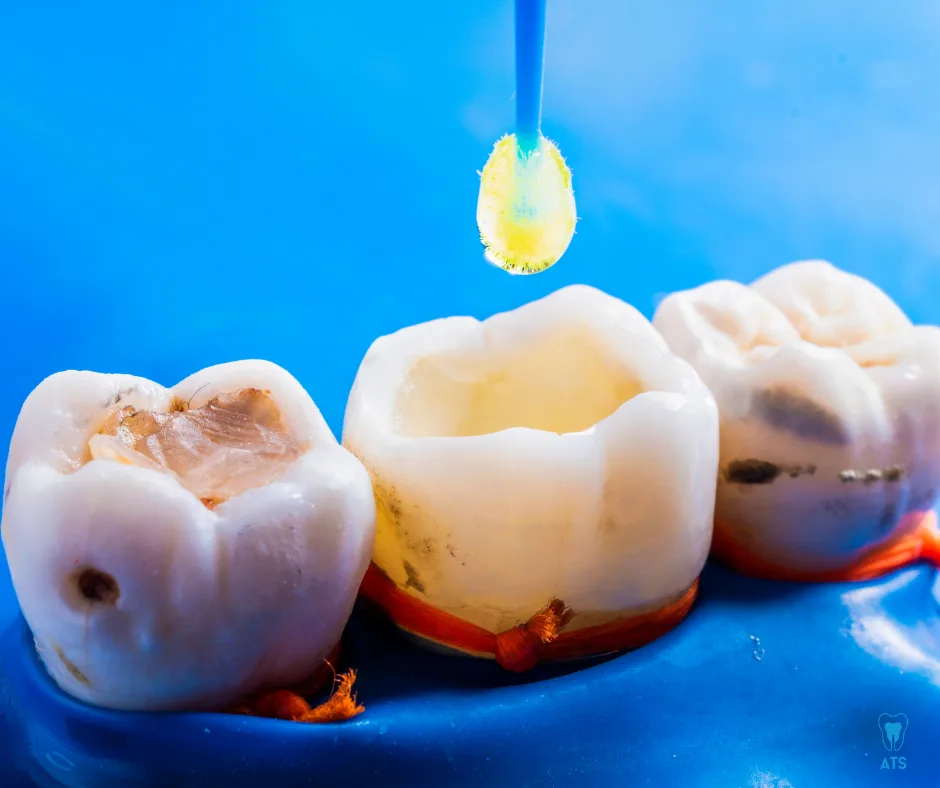
Dental fillings are a simple yet essential treatment to restore decayed, damaged, or worn teeth. At ATS Dental Clinic, we recommend fillings when cavities, fractures, or wear-and-tear compromise your tooth’s structure.
If left untreated, a small cavity can grow deeper, leading to tooth pain, infection, or the need for root canal treatment.
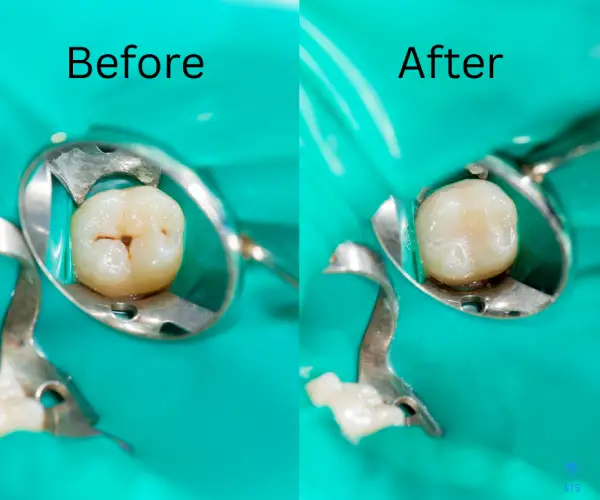
Caries or tooth decay is a common health problem and is caused by a lack of dental hygiene. Sugary foods and beverages that remain on the tooth weaken the enamel, which can eventually cause tooth decay. Remember to consistently floss and brush your teeth to keep them healthy, clean and to avoid tooth decay.

Ensure that you have regular check-ups with your dentist for preventative dental care measures to find and treat problems early. When a filling is needed, your dentist will remove the decayed tooth material, clean the tooth and then fill it with a material of your choosing. The most commonly used materials for fillings are composite resin and silver amalgam and glass ionomer cement filling.

Common reasons for needing a dental filling include:

Why You May Need Dental Fillings

Tooth decay

This is the most common reason why people need dental fillings. Most people will experience tooth decay sometime in their lives due to poor oral hygiene. Tooth decay is caused by food reside, especially sugar that remains on the tooth. Without proper flossing and brushing, the sugar remaining on the tooth will cause cavities. The cavity will slowly grow and eventually get into the second layer or dentine of the tooth.

Tooth Damage

If your tooth is cracked, fractured or chipped, you may need a filling to restore the functionality and appearance. Tooth damage can happen during physical exercise, so always wear a mouthguard at all times when playing extreme sports. Habits such as grinding or clenching your teeth can also weaken and damage the enamel over time.

Replacement of a previous filling

Dental fillings are not permanent and depending on the material of your filling, you may have to replace it more often. As soon as you notice a hole beginning to form, see your dentist to solve the problem earlier and prevent further damage and pain. Ensure that you have regular dental check-ups with your dentist to locate existing problems and for preventative care.

Types of Dental Fillings at ATS Dental Clinic

We offer multiple filling options to suit function, aesthetics, and budget:

  • Composite (Tooth-Colored) Fillings

    Matches natural tooth color, perfect for front teeth and aesthetic results.
  • Amalgam Fillings

    Durable silver-colored filling for back teeth where high chewing pressure exists.
  • Glass Ionomer Fillings

    Ideal for children and areas not exposed to heavy chewing forces; releases fluoride to prevent further decay.
  • Ceramic (Porcelain) Fillings

    Highly aesthetic and stain-resistant option for long-lasting results.
  • Gold Fillings

    Extremely durable but more expensive; used less frequently.

Procedure for Dental Filling

At ATS Dental Clinic, we ensure a pain-free and comfortable filling procedure:

  1. Examination & Diagnosis – Visual check and X-ray to assess decay extent.
  2. Local Anaesthesia – To numb the area and ensure comfort.
  3. Decay Removal – Cleaning out decayed or damaged portions of the tooth.
  4. Filling Placement – Layering and shaping the filling material for a perfect fit.
  5. Polishing & Bite Adjustment – To ensure smoothness and natural bite alignment.

Prognosis after Dental Filling

A well-done filling can last 5–15 years depending on the material used and oral hygiene. With regular check-ups, proper brushing, and avoiding excessive biting pressure, your filling can last even longer. Fillings not only restore function but also prevent further decay, ensuring your tooth remains healthy for years.

Frequently Asked Questions

  • Is getting a dental filling painful?

    No, dental fillings are usually painless because we use local anesthesia to numb the tooth. You may feel slight pressure or vibration, but no pain during the procedure.

  • How long does a dental filling take?

    Most fillings take 20–45 minutes depending on the cavity’s size and the number of teeth being treated.

  • How long will my dental filling last?

    A filling can last 5–15 years with proper care, depending on the material used and your oral hygiene habits.

  • What type of filling is best for me?

    It depends on the tooth’s location, size of decay, your aesthetic needs, and budget. Our dentist will recommend the best option after examination.

  • Can I eat immediately after a dental filling?

    If you received a tooth-coloured composite filling, you can eat soon after numbness wears off. For silver amalgam fillings, wait at least 24 hours for complete hardening.

  • Will the filling match my natural tooth colour?

    Yes, with composite or ceramic fillings, we can match the shade to your natural teeth for a seamless look.

  • Do dental fillings require special care?

    No special care is required—just maintain good oral hygiene, brush twice daily, floss regularly, and visit your dentist for check-ups.

  • Can dental fillings fall out?

    Yes, but it’s rare. Poor bonding, excessive chewing pressure, or tooth grinding can cause it. If it happens, visit us immediately for replacement.

  • Can I replace my old silver filling with a tooth-coloured one?

    Yes, old amalgam fillings can be replaced with composite or ceramic fillings for better appearance and function.

  • What happens if I don’t get a filling for my cavity?

    The cavity will grow deeper, leading to pain, infection, or root canal treatment. Early fillings save time, money, and prevent major dental problems.