Can Teeth Cleaning Damage Your Tooth Enamel?
1. What Is Professional Teeth Cleaning?
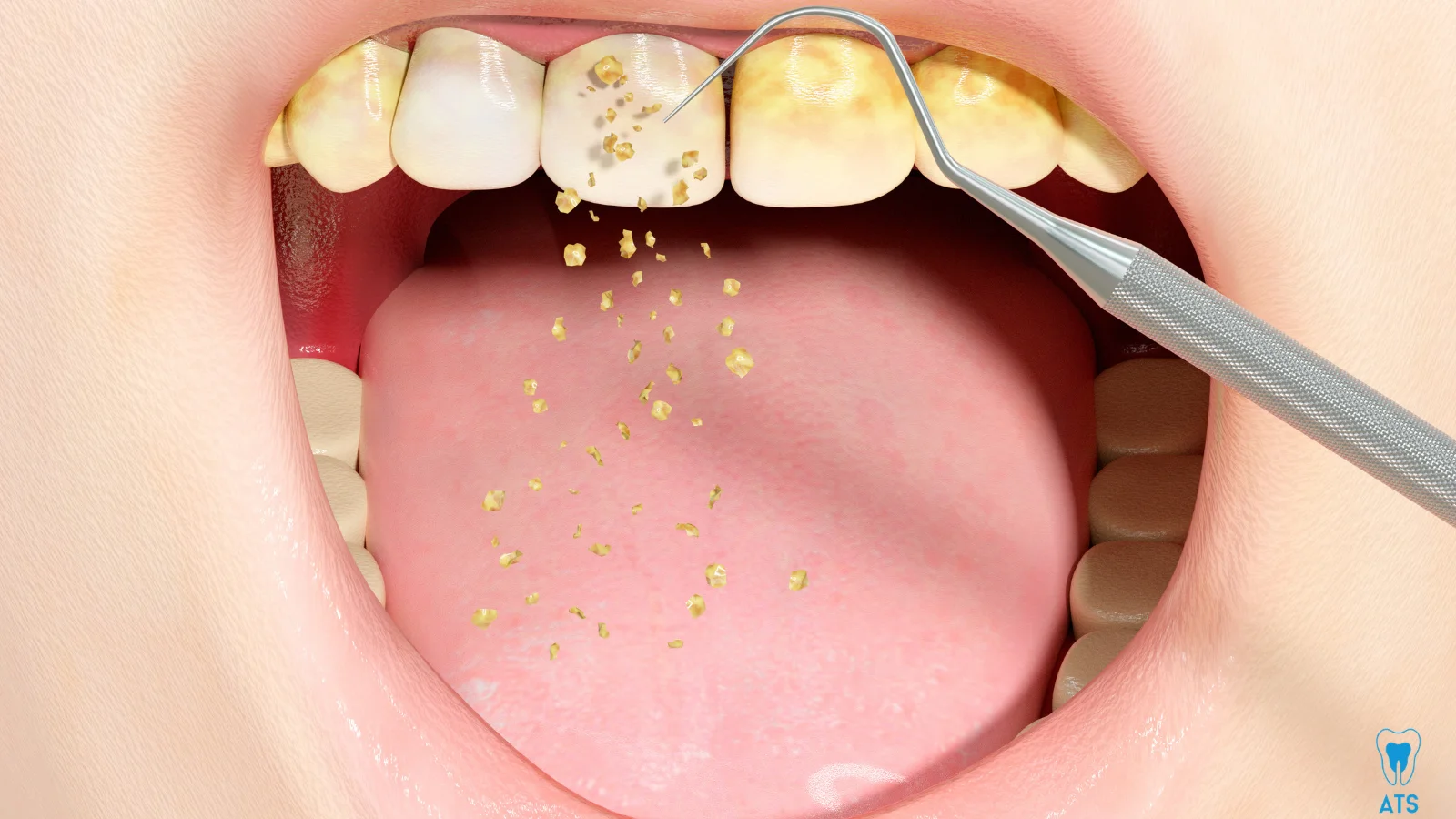
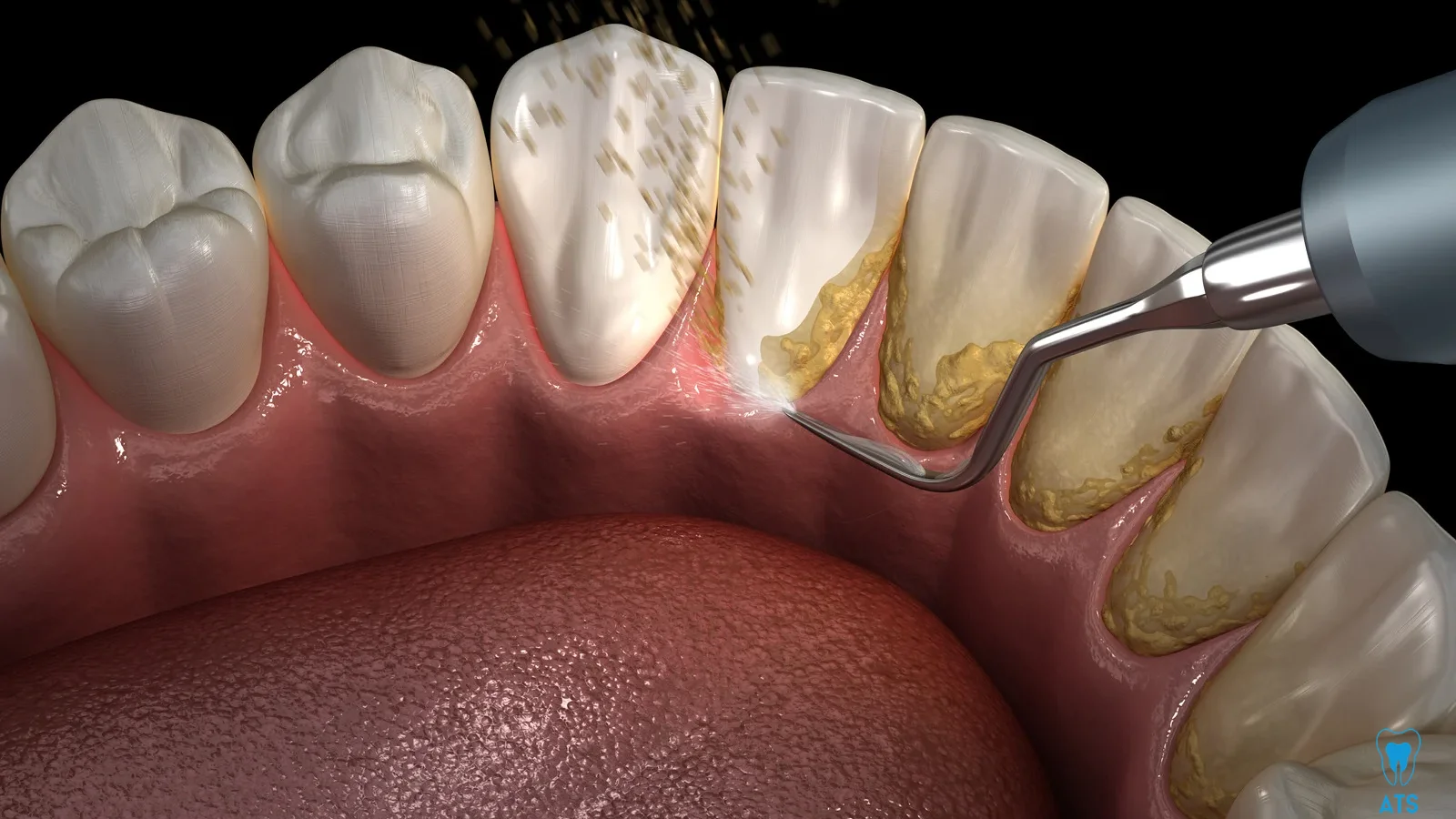
Professional teeth cleaning, commonly called scaling and polishing, is a dental procedure used to remove plaque, tartar, and certain surface stains from teeth.- Plaque: A sticky layer of bacteria that forms continuously on teeth.
- Tartar (calculus): Hardened plaque that cannot be completely removed with a toothbrush and requires professional removal.
- Surface stains: Discolouration caused by substances such as tea, coffee, and tobacco.
2. Can Teeth Cleaning Damage Tooth Enamel?
No. Properly performed routine scaling does not remove healthy tooth enamel.
Enamel is the hard, protective outer layer of your teeth. Dental professionals use instruments designed to remove plaque and tartar while preserving the tooth structure.
Depending on your needs, cleaning may involve ultrasonic scalers, hand instruments, and polishing tools.
Ultrasonic scalers use rapid vibrations and water to help loosen hardened deposits. Hand instruments allow the dental professional to remove deposits from specific areas. Polishing may be performed when appropriate to remove certain surface stains and smooth the tooth surface.
When the correct technique and suitable instruments are used, these procedures are designed to clean your teeth without unnecessarily damaging healthy enamel.
However, excessive pressure, inappropriate instrument use, or overly aggressive polishing can cause damage. This is why professional training, proper technique, and individual assessment matter.
3. Why Do Teeth Sometimes Feel Sensitive After Cleaning?
Some patients experience temporary sensitivity after professional teeth cleaning. This does not necessarily mean their enamel has been damaged.
There are several possible reasons.
A. Previously covered tooth surfaces become exposed
Tartar can build up around the gumline and cover parts of the tooth surface. Once it is removed, these areas become exposed to air, cold water, and temperature changes.
B. Existing gum recession
When gums recede, the roots of the teeth may become exposed. Unlike the crown of the tooth, the root surface is not covered by enamel. It can therefore be more sensitive to cold, touch, or brushing.
C. Inflamed gums
If you have gingivitis or gum disease, your gums may already be swollen, tender, or prone to bleeding. Professional cleaning helps remove the deposits contributing to inflammation, but some temporary discomfort can occur during recovery.
D. Pre-existing enamel wear or dental problems
Acid erosion, tooth grinding, cavities, cracks, or other dental conditions may already be present before cleaning. These can contribute to sensitivity afterwards.
In many cases, sensitivity improves within a few days. If it is severe, persists, or is accompanied by pain, consult your dentist to identify the cause.
4. Why Do My Teeth Look Longer or Do Gaps Appear After Cleaning?
Some patients notice spaces between their teeth after scaling and worry that the cleaning procedure has created gaps.
In most cases, professional cleaning has not created these spaces. Hardened tartar may have been occupying the spaces between the teeth. Removing it reveals the natural space underneath. Similarly, teeth may appear longer after cleaning because swollen gums begin to heal or because existing gum recession becomes more noticeable.
If significant gaps, mobility, or gum recession are present, they may indicate underlying gum disease or loss of supporting bone.
Teeth cleaning does not normally make healthy teeth loose. Removing tartar can reveal mobility that was already present due to underlying periodontal problems.
5. What Happens If You Avoid Professional Teeth Cleaning?
Avoiding cleaning because of fear of enamel damage can allow plaque and tartar to accumulate. Over time, this may contribute to:
- Red, swollen, or bleeding gums.
- Persistent bad breath.
- Gingivitis and more advanced gum disease.
- Gum recession and loss of supporting bone in susceptible patients.
- Increased risk of tooth mobility and eventual tooth loss when periodontal disease progresses.
Brushing twice daily and cleaning between your teeth are essential. However, once plaque hardens into tartar, professional removal is generally necessary.
Routine dental visits help identify problems early and keep your gums and teeth healthier.
6. Is Professional Teeth Cleaning Safe for Children, Adults and Older People?
Professional cleaning can benefit patients of different ages when it is recommended and performed appropriately.
Children and teenagers
Children can develop plaque and tartar, particularly around the gumline and behind the lower front teeth. Regular brushing, age-appropriate fluoride toothpaste, healthy dietary habits, and dental check-ups help maintain oral health.
Professional cleaning may be recommended depending on the child’s oral hygiene and the amount of deposit present.
Adults
Adults may develop tartar, surface stains, gingivitis, or other gum problems. Professional cleaning removes deposits that cannot be removed adequately at home and helps maintain gum health.
The frequency of cleaning depends on individual needs, oral hygiene, tartar formation, and gum health.
Older adults
Older adults may have gum recession, exposed root surfaces, dental restorations, dry mouth, or a history of gum disease. These factors can increase the risk of sensitivity and tooth decay.
Professional cleaning can still be beneficial, but the technique and maintenance schedule should be tailored to the patient’s condition.
There is no single cleaning schedule that is right for everyone. Your dentist can recommend an appropriate interval based on your oral health.
7. Myths and Facts About Teeth Cleaning
Myth 1: Teeth cleaning removes the outer layer of enamel.
Fact: Proper professional scaling removes plaque and tartar, not healthy enamel. Excessively aggressive or inappropriate techniques can cause damage, so professional care is important.
Myth 2: Teeth become weak after scaling.
Fact: Routine scaling does not normally weaken healthy teeth. If teeth feel sensitive or loose afterwards, an underlying issue such as gum recession or periodontal disease may need attention.
Myth 3: Scaling creates gaps between teeth.
Fact: Cleaning removes deposits that may have filled spaces between teeth. Existing gaps and gum recession can become more noticeable after tartar is removed.
Myth 4: Teeth cleaning causes permanent sensitivity.
Fact: Some patients experience temporary sensitivity, particularly when tartar has covered exposed or sensitive surfaces. Persistent sensitivity should be evaluated by a dentist.
Myth 5: Brushing properly means I will never need professional cleaning.
Fact: Good brushing and interdental cleaning help prevent plaque and tartar buildup. However, some people still develop tartar in areas that are difficult to clean. Professional assessment helps determine whether cleaning is needed.
8. How Can You Protect Your Teeth After Cleaning?
Following a few simple habits can help maintain your results and protect your enamel.
- Brush twice daily: Use a soft-bristled toothbrush and fluoride toothpaste.
- Clean between your teeth: Use dental floss or suitable interdental cleaning aids.
- Avoid excessive brushing pressure: Brushing harder does not make teeth cleaner and may contribute to gum recession or tooth wear.
- Limit frequent acidic drinks: Frequent exposure to acidic beverages can soften enamel and increase erosion risk.
- Maintain a balanced diet: Good nutrition supports general health and healthy oral tissues.
- Follow your dentist’s advice: If you have gum disease, exposed roots, or sensitivity, you may need additional preventive care.
- Attend regular dental check-ups: Your dentist can identify tartar buildup and gum problems before they progress.
If you experience sensitivity after cleaning, your dentist may recommend a desensitising toothpaste or other appropriate treatment depending on the cause.
9. The Dentist’s Advice
Professional teeth cleaning is an important part of preventive dental care. When performed correctly, it removes harmful deposits, supports gum health, and helps reduce the risk of gum disease.
Do not avoid necessary cleaning because of myths about enamel damage. At the same time, persistent sensitivity, bleeding gums, loose teeth, or visible gum recession should never be ignored.
At ATS Dental Clinic, we believe that patient education is just as important as treatment. Our goal is to help you understand your dental health, feel comfortable asking questions, and make informed decisions about your smile.
Healthy teeth begin with the right care — not fear of dental treatment.
Disclaimer: This article is for general educational purposes and does not replace an individual dental examination. Your dentist can advise whether professional cleaning is appropriate for your specific oral health needs.
Frequently Asked Questions (FAQs)
The recommended frequency depends on your gum health, tartar buildup, oral hygiene, and risk of
periodontal disease. Some people benefit from cleaning approximately every six months, while
others may need more frequent periodontal maintenance. Your dentist can recommend a suitable
schedule.
Professional cleaning can remove certain external stains caused by tea, coffee, and tobacco, helping
your teeth look cleaner and brighter. However, scaling is not the same as professional tooth
whitening and does not change the natural colour of your enamel.
Most patients tolerate routine cleaning well. You may feel vibration, pressure, or mild discomfort,
particularly if you have sensitive teeth or inflamed gums. If you experience pain, inform your dental
professional so the procedure can be adjusted.
In most cases, you can brush your teeth as usual after routine scaling. Use a soft-bristled toothbrush
and fluoride toothpaste. If you have had additional periodontal treatment or experience sensitivity,
follow your dentist's specific instructions.
Mild sensitivity may improve within a few days. Use a soft-bristled toothbrush and consider a
desensitising toothpaste. Avoid excessive exposure to very hot, cold, or acidic foods and drinks if
they trigger discomfort. If sensitivity is severe, persists, or worsens, consult your dentist to rule out
gum recession, cavities, cracks, or other causes.