Can Calcium Tablets Really Strengthen Your Tooth Enamel?
A dentist explains how calcium helps your teeth, why enamel formation happens during childhood, and what you can do to protect your teeth as you age.
“Doctor, I am taking calcium tablets regularly. Will they help strengthen my tooth enamel?”
This is a common question among adults and older people who want to maintain strong, healthy teeth. Calcium is an important mineral for healthy teeth and bones. However, taking calcium tablets does not directly rebuild or strengthen the enamel that has already formed on your teeth.
To understand why, let us first learn how tooth enamel develops and how you can protect it throughout your life.
1. What Is Tooth Enamel, and How Is It Formed?
Tooth enamel is the hard, protective outer layer of your teeth. It protects the inner parts of your teeth from everyday chewing forces, temperature changes, and acid attacks.
Enamel is the hardest tissue in the human body. It is made mainly of minerals, particularly calcium and phosphate, arranged in a highly organised crystal structure.
How does enamel develop?
Enamel formation begins while teeth are developing inside the jaw, even before they appear in the mouth.
- During pregnancy and infancy: The development of primary (milk) teeth begins before birth. Their enamel continues to form during infancy.
- During childhood: Permanent teeth begin developing beneath the gums. Their enamel forms gradually before the teeth erupt into the mouth.
- When the teeth erupt: Enamel formation for that particular part of the tooth is complete. The tooth may continue to mature through mineral exchange with saliva after eruption.
Specialised cells called ameloblasts produce the proteins and framework needed to form enamel. Minerals, including calcium and phosphate, are then deposited to create its hard structure.
An important fact: Once enamel formation is complete, the ameloblast cells disappear. Mature enamel cannot grow back naturally because it contains no living cells capable of producing new enamel.
2. How Does Calcium Help in Enamel Formation?
Calcium is essential during tooth development. Along with phosphate, it helps form hydroxyapatite crystals, which make enamel hard and resistant to normal chewing forces.
Adequate calcium intake during childhood and adolescence supports normal tooth and bone development. Vitamin D also plays an important role by helping the body absorb calcium from food.
Good Sources of Calcium
- Milk, curd and other dairy products
- Calcium-fortified foods and suitable fortified alternatives
- Ragi and certain green leafy vegetables
- Other calcium-rich foods included in a balanced diet
However, calcium is only one part of the process. Healthy enamel development also depends on overall nutrition, vitamin D status, genetics, and general health during tooth formation.
Can Calcium Tablets Repair Damaged Enamel?
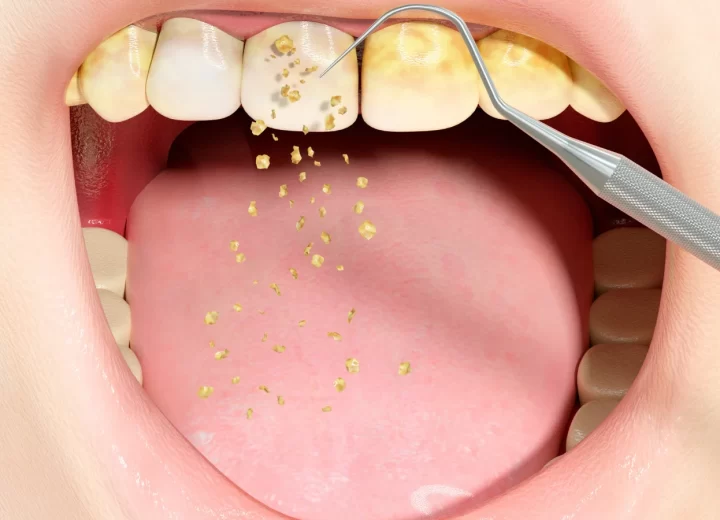
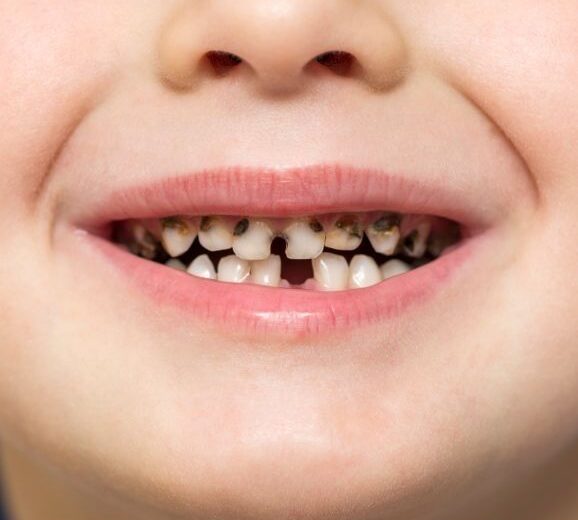
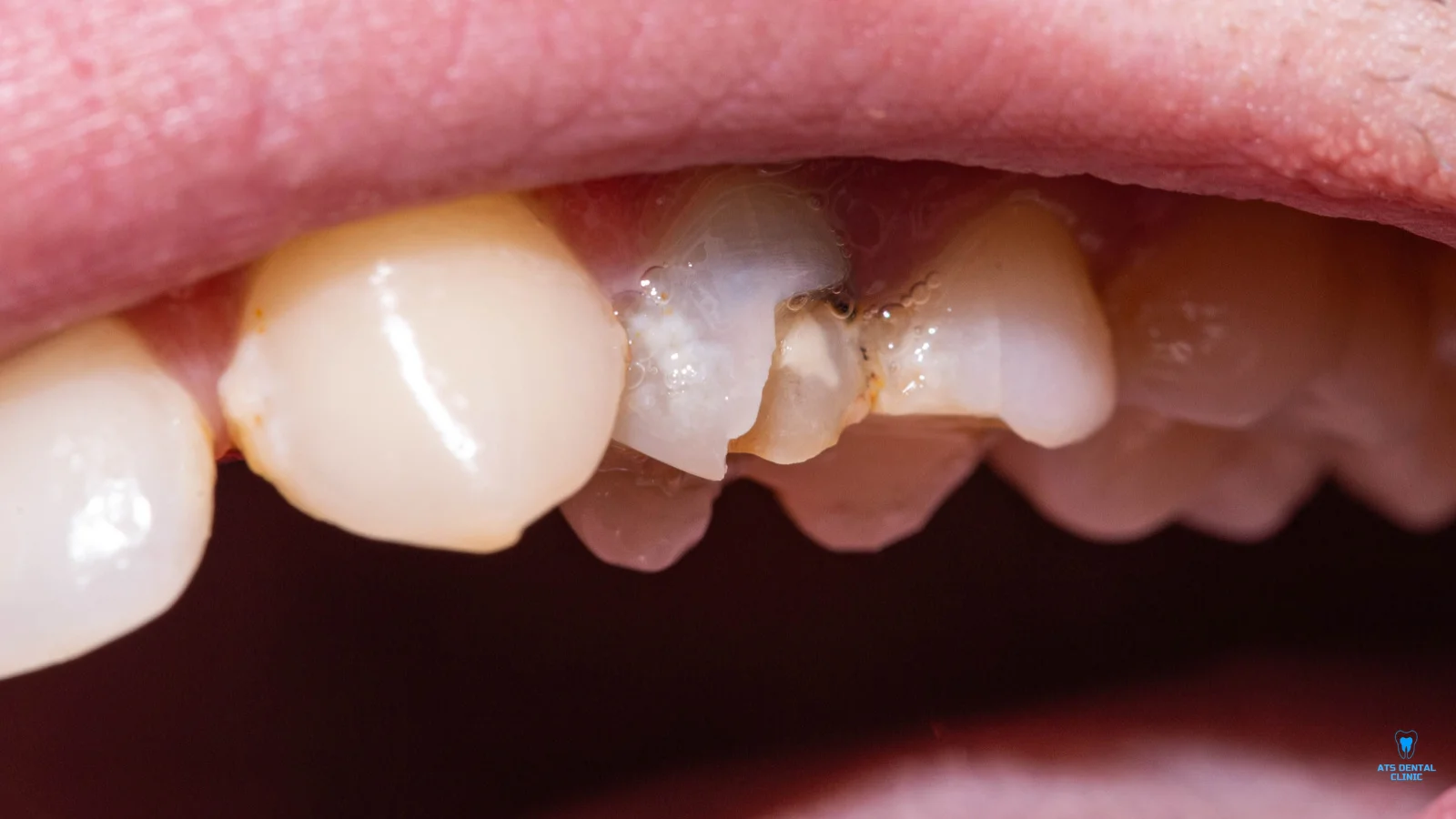
No. Once enamel has formed, calcium tablets cannot rebuild enamel that has been worn away, chipped, or lost due to tooth decay.
Calcium supplements may be useful when a person has a diagnosed deficiency or another medical reason for taking them, but they should not be used as a treatment for enamel damage.
3. Can Adults Strengthen Their Tooth Enamel?
Although adults cannot grow new enamel, they can help protect the enamel they already have. Saliva naturally supplies minerals, including calcium and phosphate, to the tooth surface. This process can repair very early mineral loss before a cavity develops. It is called remineralisation.
Fluoride toothpaste helps this process by making the tooth surface more resistant to acid attacks.
Adults can protect their enamel by:
- Brushing twice daily with fluoride toothpaste.
- Cleaning between teeth every day.
- Limiting frequent sugary snacks and acidic drinks.
- Drinking water regularly and supporting healthy saliva flow.
- Seeking dental advice for teeth grinding, acid reflux, or persistent tooth sensitivity.
- Attending regular dental check-ups to identify early signs of enamel damage.
Remember, early mineral loss may be reversible, but an established cavity or significant enamel loss requires professional dental assessment and treatment.
4. What Happens to Enamel in Older Age?
Tooth enamel does not automatically disappear as a person gets older. However, years of chewing, tooth grinding, acid exposure, and other habits can gradually wear it down.
Older adults may also experience dry mouth due to medications or medical conditions. Reduced saliva can increase the risk of tooth decay because saliva helps neutralise acids and maintain the mineral balance on tooth surfaces.
How can older adults protect their teeth?
- Continue brushing twice daily with fluoride toothpaste.
- Drink water regularly and discuss persistent dry mouth with a dentist or doctor.
- Avoid frequent exposure to acidic foods and beverages.
- Seek treatment for gum recession, worn teeth, and exposed root surfaces.
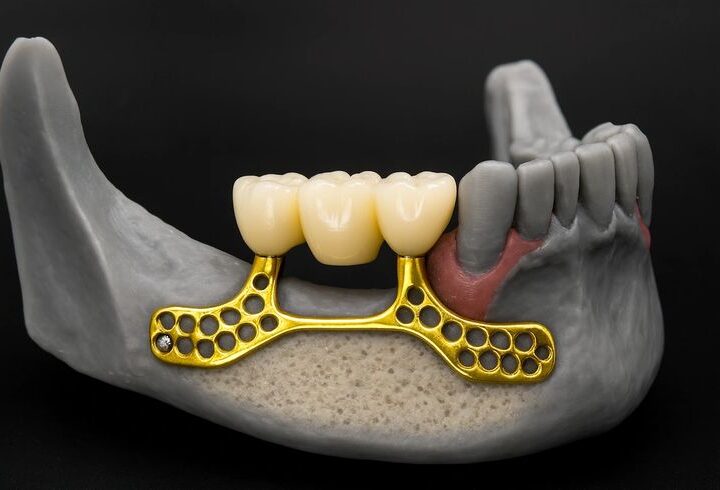
- Have dentures, crowns, and other dental restorations checked when necessary.
- Maintain a balanced diet with adequate calcium and vitamin D.
Calcium remains important for general bone health throughout life. However, in older adults, calcium supplements do not restore enamel that has already worn away. Protecting existing enamel and treating dental problems early are more effective approaches.
5. Myths and Facts About Calcium and Tooth Enamel
Myth 1: Calcium tablets will make my teeth stronger at any age.
Fact: Calcium is essential while teeth develop. In adults, supplements help meet nutritional needs when necessary, but they do not directly rebuild mature enamel.
Myth 2: If I take calcium supplements, I will not develop cavities.
Fact: Cavities develop through a combination of bacterial activity, frequent sugar exposure, acid production, and other risk factors. Fluoride toothpaste, good oral hygiene, dietary habits, and regular dental care remain important.
Myth 3: Tooth enamel can grow back if I consume enough calcium.
Fact: Lost enamel cannot regenerate naturally. Early mineral loss can sometimes be repaired through remineralisation, but missing enamel cannot be replaced by calcium tablets.
Myth 4: Older people naturally lose all their enamel.
Fact: Enamel can remain throughout life. Wear and damage may accumulate with age, but appropriate oral care can help preserve the enamel that remains.
Myth 5: Everyone should take calcium tablets for strong teeth.
Fact: Not everyone needs a calcium supplement. A balanced diet may provide sufficient calcium, and supplements should be taken according to individual needs and medical advice.
6. The Dentist’s Advice

Calcium is essential for developing strong teeth, but protecting your enamel requires more than
taking supplements. The most important steps are maintaining good oral hygiene, using fluoride
toothpaste, following a balanced diet, and addressing dental problems early.
If you experience tooth sensitivity, visible wear, frequent cavities, or concerns about weak
enamel, consult a dentist for an examination. Your dentist can identify the cause and recommend
suitable preventive care or treatment.
At ATS Dental Clinic, our goal is to help you understand your oral health and make informed
decisions for a healthy smile at every age.
Dental health advice should be personalised. Consult your dentist or physician before starting
calcium supplements, particularly if you have a medical condition or take other medications.
Frequently Asked Questions (FAQs)
Calcium tablets do not directly strengthen or rebuild fully formed tooth enamel. They can help meet
your body's calcium requirements when dietary intake is insufficient or supplementation is medically
recommended. Fluoride toothpaste and good oral hygiene are more directly useful for protecting
existing enamel.
Enamel formation begins before birth for primary teeth and continues during childhood for
permanent teeth. The timing varies by tooth. For most permanent teeth, enamel formation is
completed before or around the time they erupt, although wisdom teeth may finish developing
much later.
No. Once enamel is lost through erosion, wear, or decay, it cannot regenerate naturally. However,
early mineral loss that has not yet formed a cavity may be repaired through remineralisation with
the help of saliva and fluoride. More advanced damage may require dental treatment.
They serve different purposes. Calcium supports normal tooth and bone development and overall
mineral requirements, while fluoride toothpaste helps strengthen the mineral structure of existing
tooth surfaces and prevent tooth decay. For most people, brushing twice daily with fluoride
toothpaste is an essential part of daily dental care.
Tooth sensitivity may result from enamel wear, gum recession, exposed root surfaces, tooth decay,
cracks, or other dental problems. Taking calcium tablets will not treat these causes. A dental
examination can help identify the reason for your sensitivity and determine the appropriate
treatment.