Why Does My Child Have Decayed Teeth? Causes Every Parent Should Know
What Is Rampant Caries?
Everyone knows tooth decay (cavities) — those little holes in teeth caused by sugar and bacteria. But sometimes, decay doesn’t stay little… it spreads fast and affects many teeth at once. That’s called rampant caries — a serious, aggressive form of tooth decay.
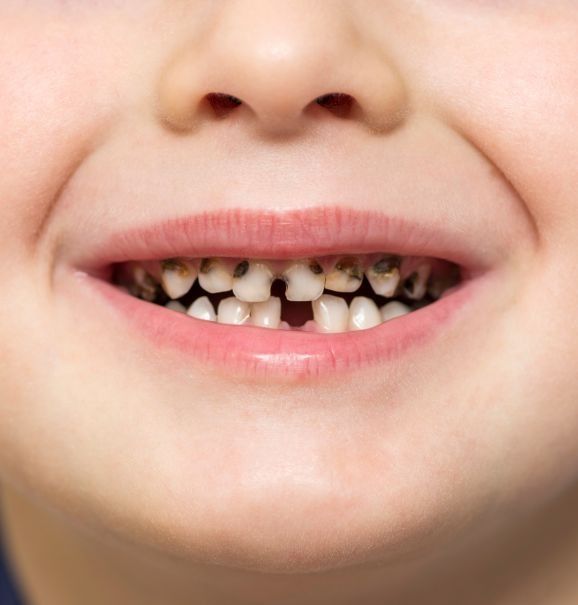
Instead of one or two cavities, many teeth get decayed in a short time — sometimes within months. The decay spreads quickly, often reaching deep into the tooth and affecting even areas usually resistant to decay.
Who Gets Rampant Caries?
Common situations where it happens:
• Night-time bottle feeding with sugary liquids like milk or juice.
• High sugar intake throughout the day — sweets, candies, aerated drinks.
• Poor brushing habits or neglected oral care.
• Low saliva (dry mouth) which normally protects teeth.
Why Does It Happen?
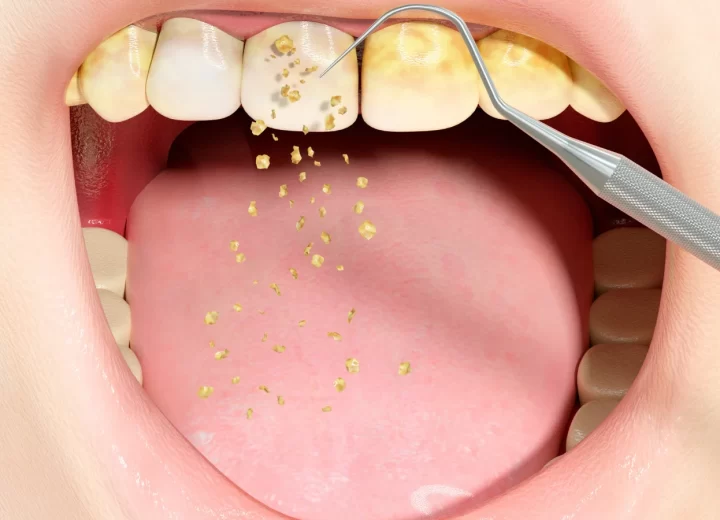
- Teeth decay when bacteria in plaque feed on sugar, producing acid that slowly dissolves tooth enamel. In rampant caries, conditions are perfect for acids to repeatedly attack the teeth: sugary food all day, frequent snacking, and poor cleaning.
- It’s not just one cavity — the decay burrows rapidly, often involving many teeth at the same time.
Signs & Symptoms to Watch For
You might notice:
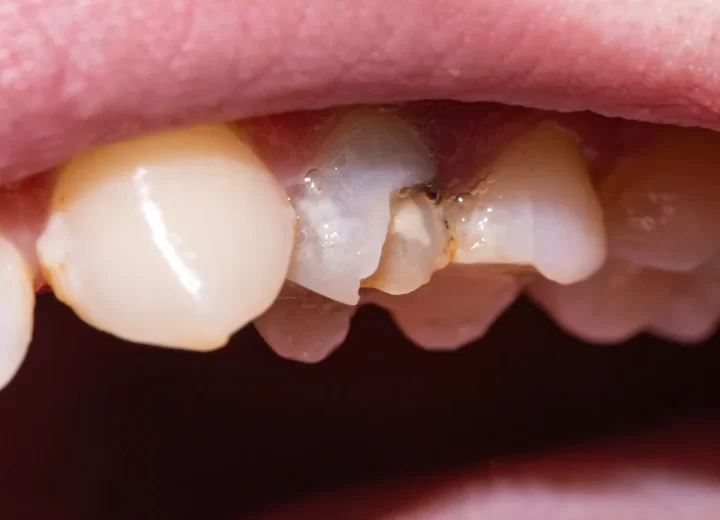
- Brown or black spots on many teeth
- Pain or sensitivity while eating
- Difficulties chewing
- Bad breath that doesn’t go away
- Rapid breakdown of tooth enamel
If many parts of the mouth look “rotted” or soft, especially in a young child, that’s a red flag for rampant caries.
Early Diagnosis Before Major Damage Happens
Pedodontists are trained to:
- Identify early signs of decay, even before pain starts
- Detect cavities in hidden areas like between teeth and near gums
- Recognize high-risk children (frequent bottle feeding, sugary diet, poor brushing)
Early diagnosis helps in stopping the progression before the decay reaches the nerve or causes infection.
Why Does My Child Have Decayed Teeth? Causes Every Parent Should Know
Stopping the Progression of Decay
One of the main goals of a pedodontist is to control and slow down the spread of rampant caries, not just fill cavities.
They do this by:
- Applying fluoride varnish to strengthen weak enamel
- Using silver diamine fluoride (SDF) to arrest active decay
- Sealing vulnerable teeth with pit and fissure sealants
These treatments help harden the tooth surface and stop bacteria activity, preventing further damage.
Prevention:
It’s easier to prevent rampant caries than fix it.
Healthy brushing habits :
- Brush twice a day with fluoride toothpaste.
- Floss at least once.
Limit sugary snacks & drinks :
- Avoid constant snacking
- Say no to bedtime bottles with sugary liquids
Regular dental visits
Check-ups every 6 months mean early problems are caught before they spread.
Use fluoride
Fluoride strengthens teeth and helps resist decay — in toothpaste, rinses, or professional applications.
How Paediatric Dentists Treat It
Treating rampant caries usually requires more than a simple filling — because the decay can be extensive:
1. Stop the decay first
- Temporary fillings to stabilize bad cavities
- Pain and infection treated immediately
Why Does My Child Have Decayed Teeth? Causes Every Parent Should Know
2. Restore damaged teeth
- Small cavities → fill with dental materials
- Bigger decay → crowns or stronger restorations
- If tooth is infected → root canal may be needed
3. Extractions
In severe cases where teeth can’t be saved, removal may be necessary — especially if infection spreads.
Why a Pedodontist Is Very Important in Controlling Rampant Caries
A Pedodontist (also called a Child Dental Specialist) is a dentist who is specially trained to take care of children’s teeth from infancy to teenage years. When it comes to rampant caries, a pedodontist plays a very crucial role in stopping the disease, controlling its spread, and protecting the child’s future oral health.
Rampant caries in children does not progress like normal cavities — it spreads very fast and affects multiple teeth at the same time. This is where a pedodontist’s expertise becomes extremely important.
Frequently Asked Questions (FAQs)
Yes. In the early stages, a child may not complain of pain. But as decay spreads quickly and reaches the inner part of the tooth, it can cause severe toothache, sensitivity, swelling, and infection. Early treatment by a pedodontist helps prevent pain and complications.
In many cases, yes. If detected early, a pedodontist can stop the progression using fluoride treatment, special medications like SDF, fillings, or crowns. Tooth removal is considered only when the tooth is badly damaged and cannot be saved.
Pedodontists are specially trained to treat children’s teeth and behavior. They understand how decay progresses in children and know how to:
• Manage fear and anxiety
• Use child-specific materials
• Control rapidly spreading cavities
This makes treatment safer, faster, and more comfortable for children.
Yes, absolutely. Milk teeth are very important. They help in eating, speaking, and guiding permanent teeth into the right position. Treating milk teeth prevents infection, early tooth loss, and future orthodontic problems.
• Limiting sugary snacks and drinks
• Avoiding night-time bottle feeding
• Ensuring brushing twice daily with fluoride toothpaste
• Bringing the child for regular dental check-ups every 6 months