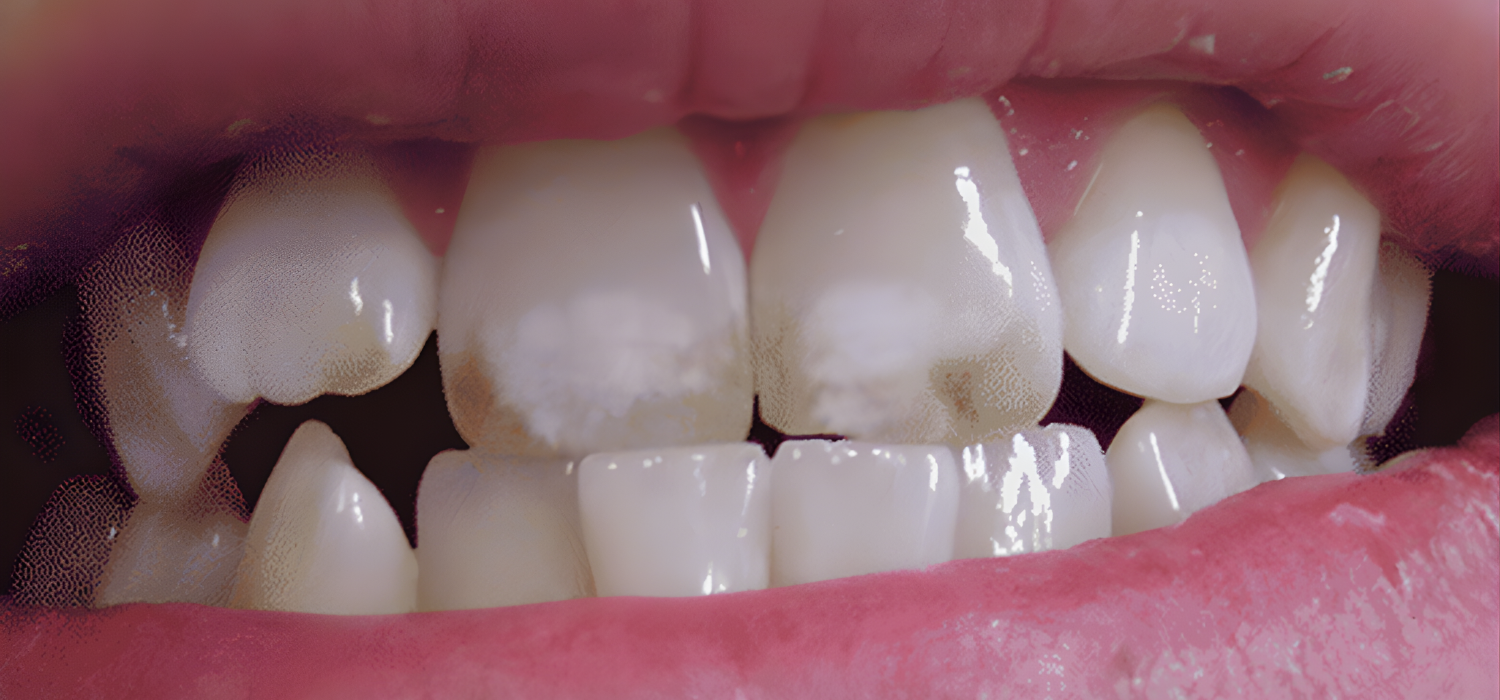
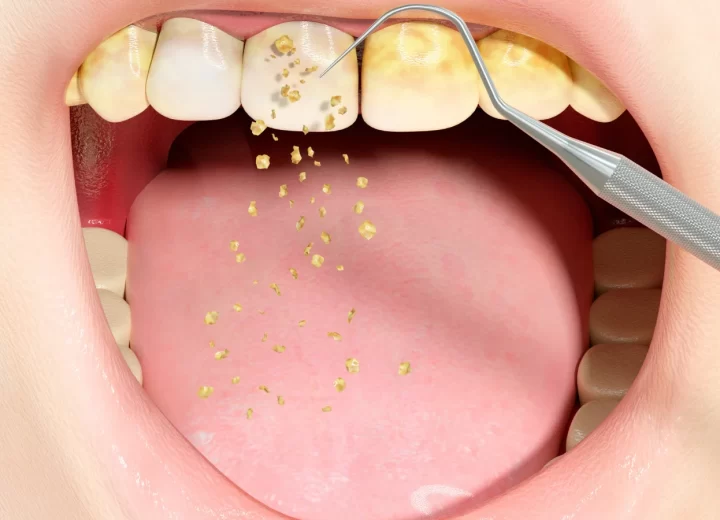
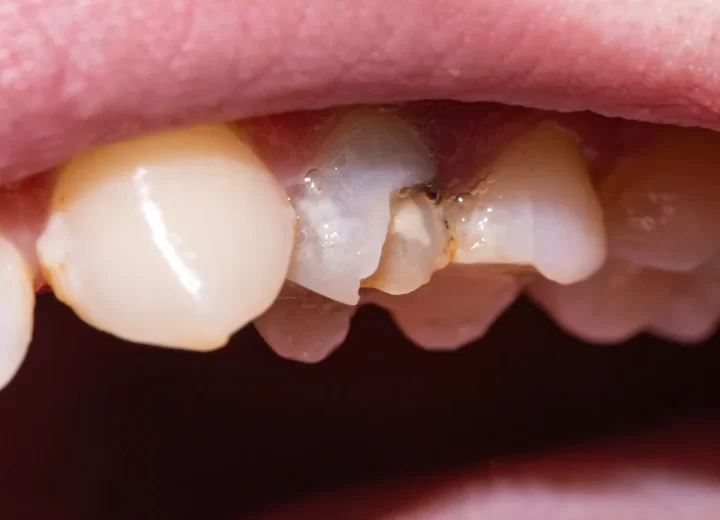
Excessive fluoride intake during the critical period of tooth development (birth to ~8 years) can alter enamel formation, leading to visible changes on the teeth.
Systemic effects are rare; most adults experience only dental manifestations. In severe cases, very high fluoride exposure may be linked to skeletal fluorosis, causing joint stiffness and bone pain, but this is uncommon in most Indian regions.
Flouride Affects
Primary Causes
High natural fluoride in groundwater (common in parts of Rajasthan, Gujarat, Andhra Pradesh, and Punjab,Tamilnadu,Karnataka,odisa,Telungana).
Improper use of fluoride toothpaste (swallowing large amounts by young children).
Over‑supplementation with fluoride tablets or community water fluoridation programs without proper monitoring.
Progression of Fluorosis
Pre‑eruptive stage – Fluoride interferes with enamel crystal growth; the enamel becomes more porous.
Eruptive stage – Teeth emerge with a chalky, opaque appearance.
Post‑eruptive stage – Surface may develop brown stains, pitting, or wear over time, especially with acidic diets.
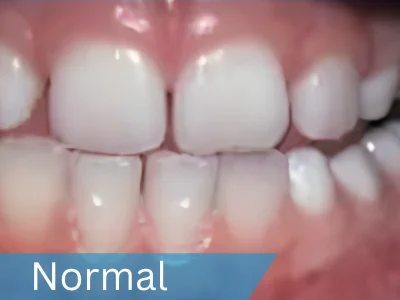
Types (Based on Dean’s Index – adapted for Indian populations)
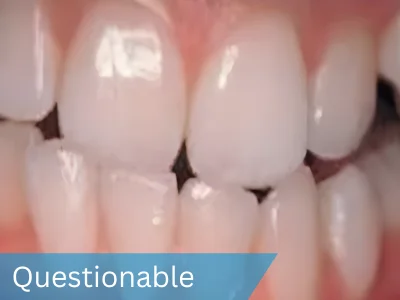
Questionable – Slight, often unnoticed white spots.
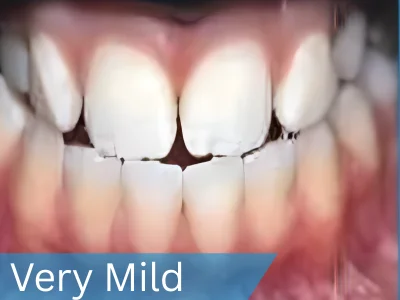
Very Mild – Small, scattered opaque areas; usually only cosmetic concern.
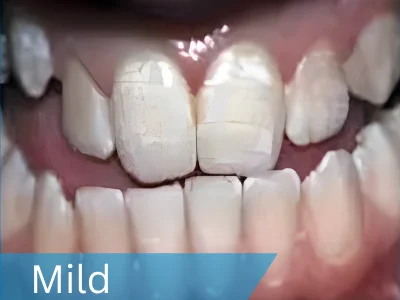
Mild – More extensive white opacity covering < 50 % of the surface.
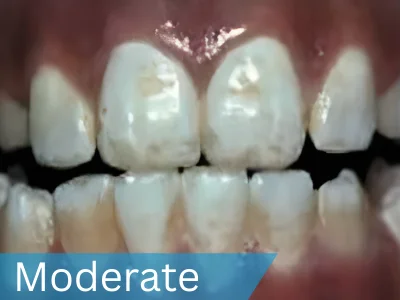
Moderate – Opaque areas > 50 % with occasional brown staining.
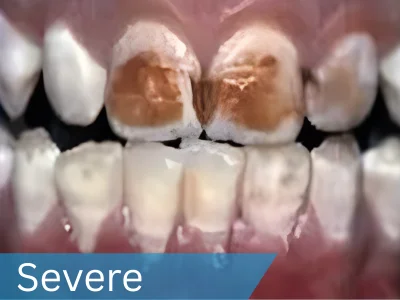
Severe – Marked brown stains, pitting, and enamel loss; may affect function.
• Porcelain or ceramic veneers (lab-fabricated)
• Full-coverage crowns (metal-ceramic or all-ceramic)
• Enamel resurfacing (laser or rotary instruments)
Any stage
Prevent progression
• Fluoride varnish (low-dose, applied quarterly)
• Diet counseling (reduce acidic foods, encourage water filtration in high-fluoride areas)
Prognosis
Cosmetic improvement is excellent for mild to moderate cases with minimally invasive techniques.
Severe fluorosis may require more extensive restorative work, but long‑term function is usually restored with crowns or veneers.
Recurrence is unlikely once fluoride exposure is controlled; ongoing community water monitoring and public‑health education are key to preventing new cases.