
ATS Treatments

Flap Surgery – Advanced Gum Treatment at ATS Dental Clinic In Thoraipakkam

Flap surgery is a specialized periodontal treatment performed to treat advanced gum disease and restore gum health. At ATS Dental Clinic, our expert dental surgeons use modern, painless techniques to clean deep gum pockets, remove infection, and promote healthy gum reattachment to the teeth. This procedure not only saves teeth but also improves overall oral health and function.
Why is Flap Surgery Needed?

Flap surgery is recommended when gum disease (periodontitis) has progressed to a stage where regular cleaning or scaling cannot remove deep-seated plaque, tartar, and infection.
Common reasons for flap surgery include:

  • Deep Periodontal Pockets – When bacteria accumulate deep under the gums.
  • Severe Gum Infections – Causing bone and tissue loss.
  • Persistent Gum Bleeding & Swelling – Despite routine dental cleaning.
  • Gum Recession – Leading to tooth sensitivity and root exposure.
  • To Prevent Tooth Loss – In cases of advanced periodontal disease.

Diagnosis Before Flap Surgery

At ATS Dental Clinic, we perform a detailed periodontal evaluation before recommending flap surgery:

  • Clinical Examination – Measuring gum pocket depth using a periodontal probe.
  • Dental X-rays – To check bone loss and infection severity.
  • Medical & Dental History Review – To assess overall health and suitability for surgery.
  • Bacterial Culture (if needed) – To identify harmful microbes causing gum disease.

Flap Surgery Procedure at ATS Dental Clinic

Our flap surgery process is safe, precise, and patient-friendly:

  1. Local Anesthesia – To ensure a completely painless experience.
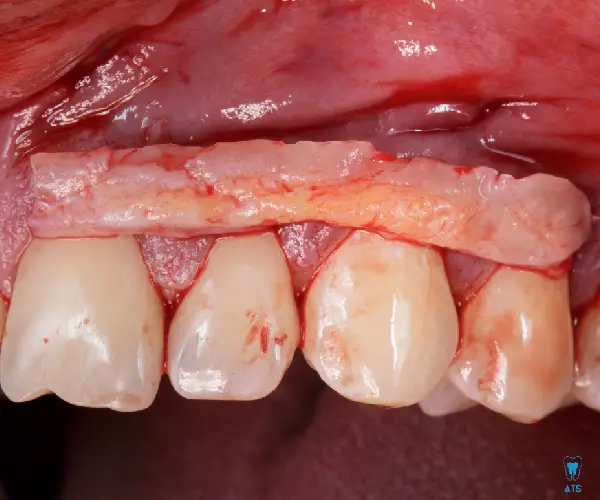
  2. Incision & Gum Flap Creation – Gently lifting the gums to expose infected areas.
  3. Deep Cleaning & Debridement – Removing plaque, tartar, and infected tissue from tooth roots and surrounding bone.
  4. Bone Smoothing & Grafting (if required) – To promote regeneration and prevent future bacterial buildup.
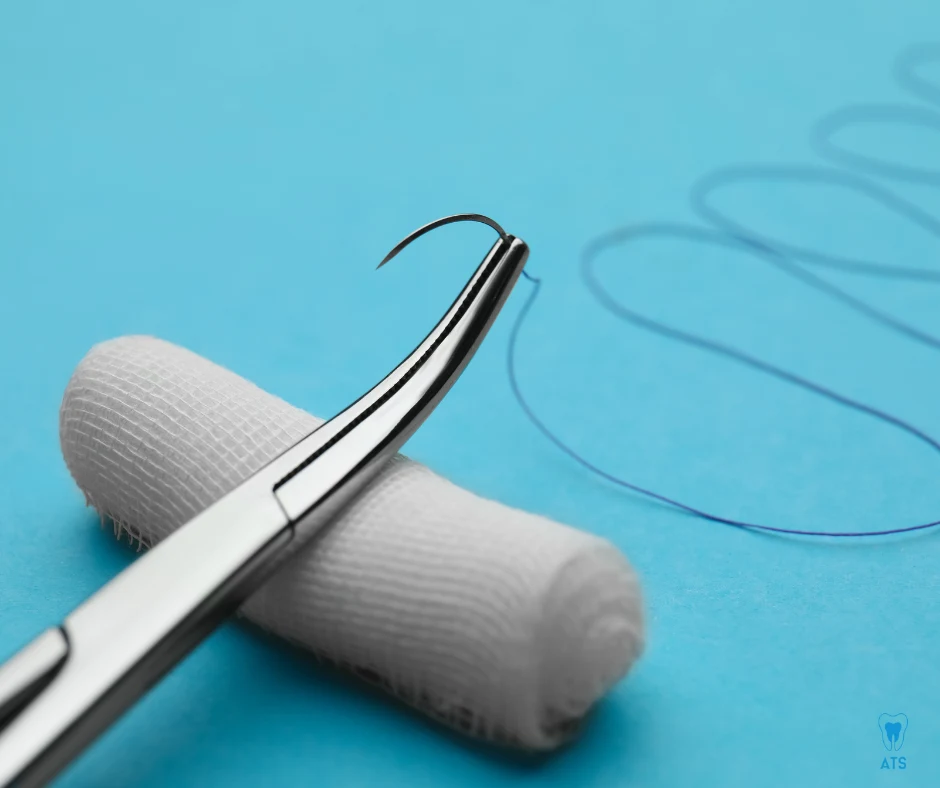
  5. Gum Repositioning & Suturing – Placing the gums back in their original position for proper healing.
  6. Sterile Dressing – Protecting the surgical site for initial recovery.

Prognosis – What to Expect After Flap Surgery

When performed on time and followed by proper care, flap surgery offers excellent results:

  • Reduced Gum Pocket Depth – Easier to maintain oral hygiene.
  • Improved Gum Attachment – Gums heal firmly around the teeth.
  • Better Oral Health – Lower risk of further infection and tooth loss.
  • Enhanced Comfort & Function – Reduced bleeding, swelling, and sensitivity.
  • Long-Term Tooth Preservation – Protecting natural teeth for years to come.

Post-Treatment Care After Flap Surgery

Proper aftercare is crucial for smooth healing and long-lasting results:

  • Follow Medication Schedule

    Complete the prescribed antibiotics and pain relievers.
  • Avoid Hard & Spicy Foods

    Stick to soft, cool foods for the first few days.
  • Maintain Gentle Oral Hygiene

    Brush lightly around the surgical site and use an antimicrobial mouthwash.
  • No Smoking or Alcohol

    They slow down healing and increase infection risk.
  • Attend Follow-Up Visits

    For suture removal and professional check-ups.
  • Regular Dental Cleanings

    Every 3–6 months to maintain gum health.

Frequently Asked Questions

  • What is flap surgery in dentistry?

    Flap surgery is a minor dental surgical procedure where the gums are lifted back to access and clean the roots of teeth and underlying bone, often used to treat advanced gum disease.

  • Is flap surgery painful?

    No. The procedure is performed under local anesthesia, so you will not feel pain during the surgery. Mild discomfort or swelling may occur after the procedure, which can be managed with prescribed medication.

  • Why would I need flap surgery?

    Flap surgery is recommended when deep cleaning (scaling and root planing) is not enough to remove plaque, tartar, and infection hidden below the gum line.

  • How long does the flap surgery procedure take?

    On average, it takes about 45 minutes to 1 hour per quadrant (section) of the mouth.

  • How soon can I eat after flap surgery?

    You can eat after the numbness wears off (usually a few hours), but it is advised to start with soft foods and avoid hot, spicy, or hard items for a few days.

  • How long is the recovery after flap surgery?

    Most patients recover in 1–2 weeks. Full healing of gums and bone may take a few months.

  • Will my gums grow back after flap surgery?

    Flap surgery helps reduce gum pockets and improves gum health, but it does not make gums grow back. It prevents further gum loss and supports healing.

  • Are there any risks with flap surgery?

    Like any surgery, minor risks include swelling, bleeding, or temporary tooth sensitivity, but these are usually short-lived when proper care is followed.

  • How do I take care of my gums after flap surgery?

    Follow your dentist’s instructions, maintain gentle brushing, rinse with an antimicrobial mouthwash, avoid smoking, and attend follow-up visits for monitoring.

  • Can flap surgery save my teeth?

    Yes. By removing deep infection and improving gum health, flap surgery can prevent tooth loss caused by severe gum disease.